
Foam formation in industrial processes can be a significant challenge, impacting efficiency and causing potential equipment damage. Understanding the role of antifoam agents is crucial in effectively managing and mitigating this issue. Antifoams, also known as defoamers, are chemical additives that reduce and hinder the formation of foam in various industrial applications. This article explores the workings of antifoam agents, their benefits, and their applications across different industries.
How Does Antifoam Work?
Antifoam agents are designed to disrupt the formation and stability of foam. The primary mechanism involves the reduction of surface tension, which causes the foam bubbles to collapse. Here’s a breakdown of how antifoam chemicals operate:
- **Surface Tension Reduction:** Antifoams reduce the surface tension of the liquid, preventing the formation of stable bubbles.
- **Film Disruption:** They penetrate the liquid film surrounding air bubbles, causing them to destabilize and collapse.
- **Air Release:** By facilitating the coalescence of small bubbles into larger ones, antifoams promote the quick release of air from the liquid.
The choice of antifoam depends on the specific application, as different formulations are designed to work under varying conditions and with different types of foam.
Benefits of Using Antifoam
The application of antifoam agents offers several advantages, significantly improving industrial processes:
- **Improved Equipment Efficiency:** By preventing foam, antifoams help maintain optimal equipment function, reducing wear and tear.
- **Enhanced Product Quality:** Foam can affect the consistency and quality of products, so controlling it ensures high-quality outputs.
- **Cost Savings:** Reducing foam can minimize downtime, lower maintenance costs, and increase productivity.
- **Environmental Compliance:** Proper foam control helps in adhering to environmental regulations by preventing overflow and spillage.
Applications of Antifoam
Industrial Applications
Antifoam agents are indispensable in numerous industries. Some common applications include:
- **Chemical Manufacturing:** In processes where foam formation is a byproduct, such as in reactors or during mixing and blending operations.
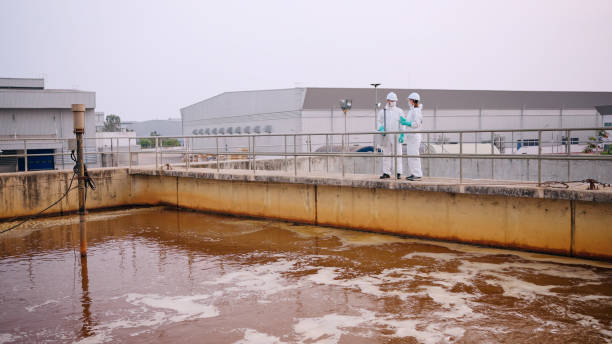
- **Water Treatment:** Used to manage foam in wastewater treatment plants, ensuring smooth operation and compliance with discharge regulations.
- **Food and Beverage Processing:** Essential during fermentation processes and in the production of beverages and dairy products.
- **Paper and Pulp Industry:** Helps in controlling foam during the paper manufacturing process, improving the quality and efficiency.
For more detailed information on selecting the appropriate antifoam chemical for specific industrial applications, exploring professional guidance and product specifications is advisable.
Pharmaceutical and Cosmetics
In the pharmaceutical and cosmetics industries, foam control is crucial for ensuring the consistency and quality of products. Antifoams play a vital role in:
- **Pharmaceutical Production:** Preventing foam in bioreactors and during the mixing of active ingredients.
- **Cosmetic Formulation:** Assisting in the production of lotions and creams where uniform texture is essential.
Choosing the Right Antifoam
Selecting the appropriate antifoam agent involves considering several factors, including the nature of the liquid, temperature conditions, and the specific type of foam being addressed. Consulting with industry experts or reviewing detailed product specifications can provide valuable insights into making an informed decision.
In conclusion, understanding the role and benefits of antifoam agents is crucial for optimizing industrial processes and ensuring product quality. By effectively managing foam, industries can achieve greater operational efficiency, cost savings, and compliance with regulatory standards.