
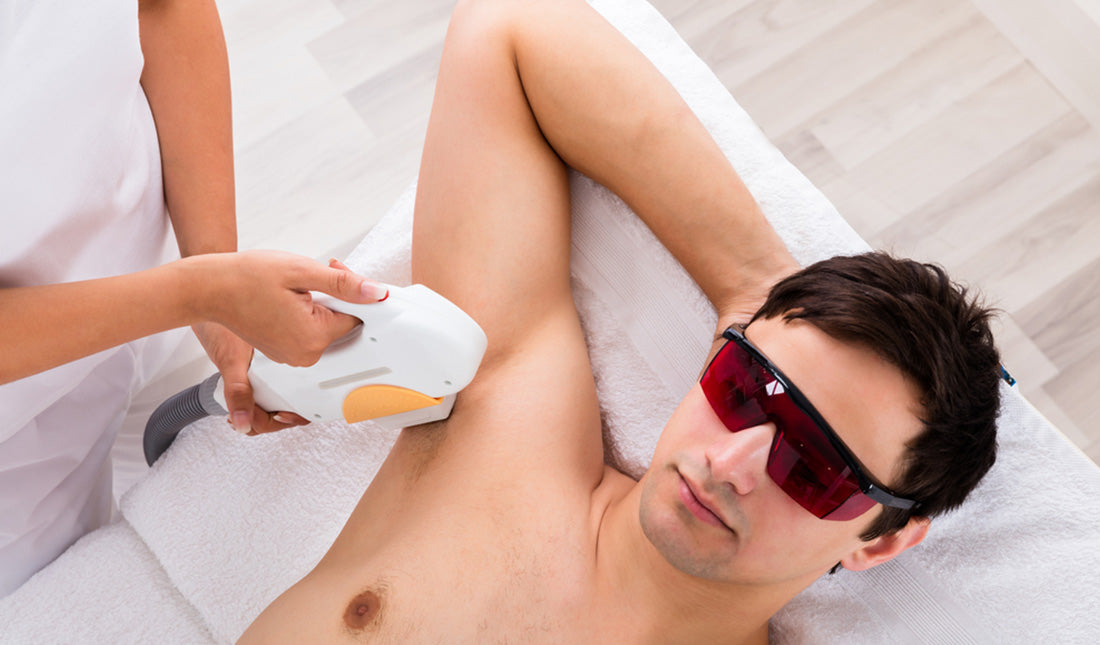
In recent years, laser hair removal has emerged as a popular solution for individuals seeking a long-term alternative to traditional hair removal methods like shaving, waxing, or plucking. With advancements in technology, it’s now easier than ever to achieve smooth, hair-free skin. This ultimate guide delves into the intricacies of laser hair removal, providing insights into how it works, what to expect, and how to choose the right service for your needs.
Understanding Laser Hair Removal
How It Works
Laser hair removal utilizes concentrated light energy to target and destroy hair follicles. The pigment in the hair absorbs the light, which damages the follicle and inhibits future growth. Over multiple sessions, this process significantly reduces hair regrowth.
Benefits of Laser Hair Removal
- Precision: Targets dark, coarse hairs without damaging surrounding skin.
- Speed: Each laser pulse takes a fraction of a second and can treat many hairs simultaneously.
- Predictability: Many clients experience permanent hair loss after three to seven sessions.
Preparing for Treatment
Before commencing laser hair removal, it is essential to prepare adequately to ensure safety and effectiveness.
Consultation
A consultation with a certified technician or dermatologist is crucial. They will assess your skin type, hair color, and medical history to determine the best course of action.
Pre-Treatment Guidelines
- Avoid sun exposure for at least six weeks before and after treatment.
- Refrain from plucking, waxing, or electrolysis as they can disturb the hair follicle.
- Shave the treatment area a day before the procedure to allow the laser to focus on the hair root.
The Procedure
The laser hair removal process is relatively straightforward and involves the following steps:
- The technician will give you protective eyewear to shield your eyes from the laser.
- A cooling gel or device is applied to the skin to facilitate laser penetration and minimize discomfort.
- The technician adjusts the laser equipment based on the color, thickness, and location of the hair being treated, as well as your skin type.
- A test pulse may be administered to evaluate the best settings and observe any adverse reactions.
- Post-treatment, ice packs or anti-inflammatory creams may be used to alleviate discomfort.
Post-Treatment Care
Immediate Aftercare
- Redness and swelling are common but usually subside within a few hours.
- Apply soothing creams or aloe vera gel to calm the skin.
- Avoid makeup, hot showers, and strenuous exercise for at least 24 hours post-treatment.
Long-term Care
For optimal results, follow the recommended treatment schedule, which typically consists of sessions spaced 4-6 weeks apart. Protecting your skin from sun exposure is vital to prevent damage and ensure the effectiveness of the treatment.
Selecting a Laser Hair Removal Provider
When choosing a provider, consider factors such as:
- Experience and qualifications of the technicians.
- Client testimonials and reviews.
- The type of laser technology used, ensuring it is suitable for your skin and hair type.
Researching and selecting a reputable provider for laser hair removal can significantly impact the quality and safety of your experience.
Conclusion
Laser hair removal is a proven method for achieving long-lasting smooth skin. By understanding the process, preparing adequately, and selecting a qualified provider, individuals can enjoy the numerous benefits this treatment offers. Whether for convenience or cosmetic reasons, laser hair removal continues to be a preferred choice for many seeking effective hair reduction solutions.