
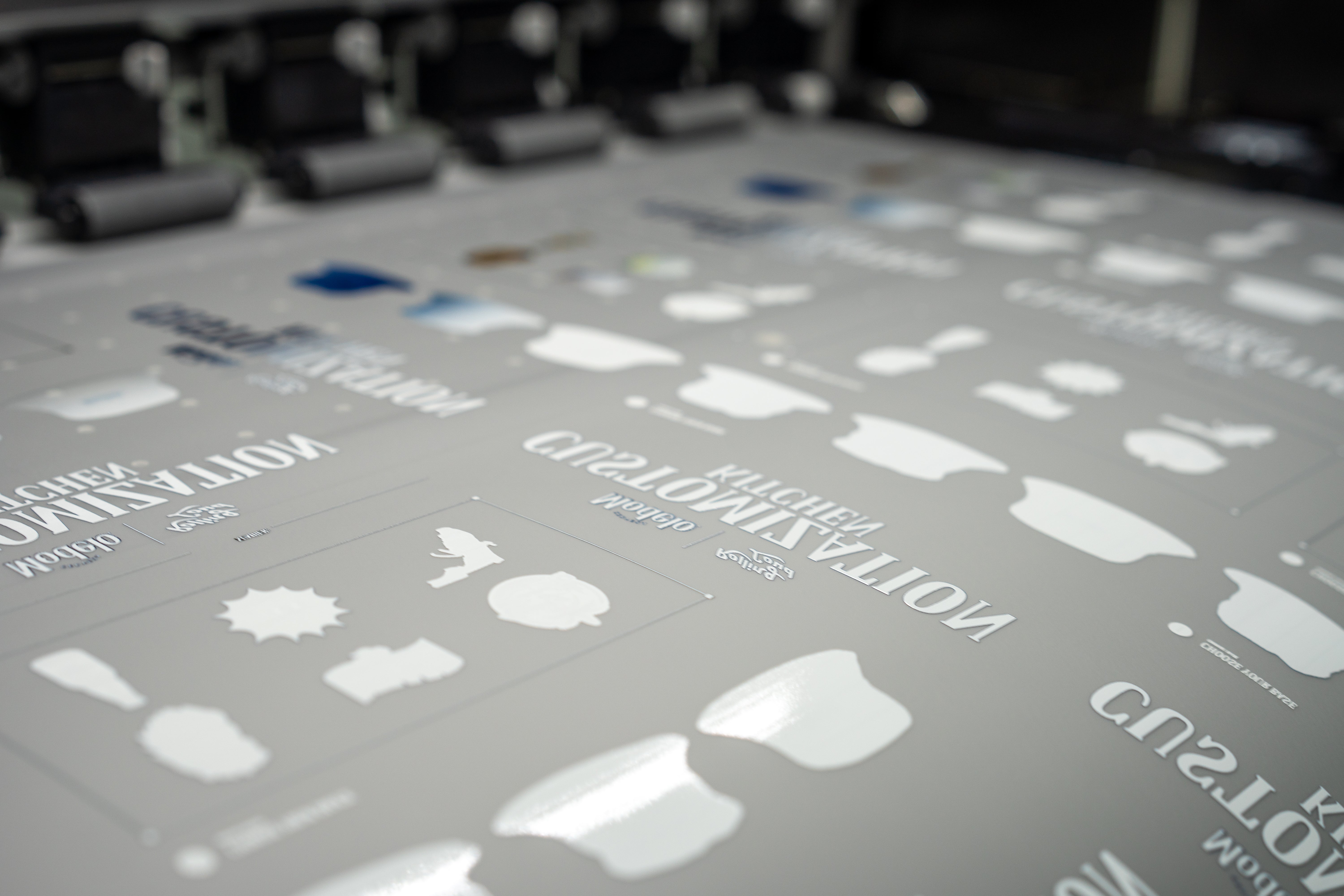
In today’s dynamic fashion landscape, custom t-shirt printing has become a powerful tool for personal expression and brand promotion. Whether it’s a one-off design or a bulk order for a corporate event, the art of creating custom t-shirts allows individuals and businesses to showcase their creativity and communicate their message effectively. This comprehensive guide will delve into the essential aspects of mastering custom t-shirt printing, ensuring that every design is not only visually appealing but also of high quality.
Understanding Different Printing Techniques
Choosing the right printing technique is crucial for achieving the desired look and feel of your custom t-shirt. Here are some popular methods:
- Screen Printing: Ideal for bulk orders, screen printing offers vibrant colors and durability. It’s perfect for designs with solid colors and minimal gradients.
- Direct-to-Garment (DTG): Best for smaller quantities, DTG printing allows for detailed designs with multiple colors and gradients. It’s similar to using a regular inkjet printer but on fabric.
- Heat Transfer: This method is versatile for both small and large runs. It involves transferring designs onto fabric using heat and pressure, suitable for intricate designs.
- Dye Sublimation: Commonly used for polyester fabrics, this method creates vibrant, long-lasting prints. It’s perfect for all-over designs and high-quality images.
Design Considerations
Creating an effective custom t-shirt design requires careful thought and planning. Consider the following aspects:
Understand Your Audience
Identifying the target audience is crucial in tailoring the design. Consider demographics, interests, and the purpose of the t-shirt to ensure it resonates with the intended audience.
Color Selection
Colors play a significant role in design impact. Choose colors that complement each other and align with the brand or message. Remember, the printing method might affect color vibrancy and accuracy.
Choosing the Right Fabric
The fabric of the t-shirt can influence the print quality and comfort. Here are some popular options:
- Cotton: Known for its softness and comfort, cotton is a popular choice for custom t-shirts. It works well with most printing techniques.
- Polyester: Ideal for sportswear and activewear, polyester is durable and resistant to wrinkles and shrinking. It’s best for dye sublimation.
- Blends: Combining the best qualities of different fabrics, blends offer durability and comfort, suitable for various printing methods.
Getting Started with Custom T-Shirt Printing
Embarking on the journey of custom t-shirt printing can be exciting. Here?s how to start:
- Research and Plan: Understand the basics of custom tshirt printing, and decide on the printing method and design.
- Design Creation: Use design software or hire a professional designer to create high-quality artwork.
- Sample Testing: Before a full run, it?s advisable to print samples to ensure the design translates well onto fabric.
- Consider Printing Partners: If printing in-house is not feasible, research reputable printing partners who can deliver quality results.
Conclusion
Mastering the art of custom t-shirt printing involves a blend of creativity, technical understanding, and strategic planning. By selecting the appropriate printing technique, designing with the audience in mind, and choosing the right materials, anyone can create impactful and memorable custom t-shirts. Whether for personal use or branding purposes, the possibilities are endless with the right approach and resources.