
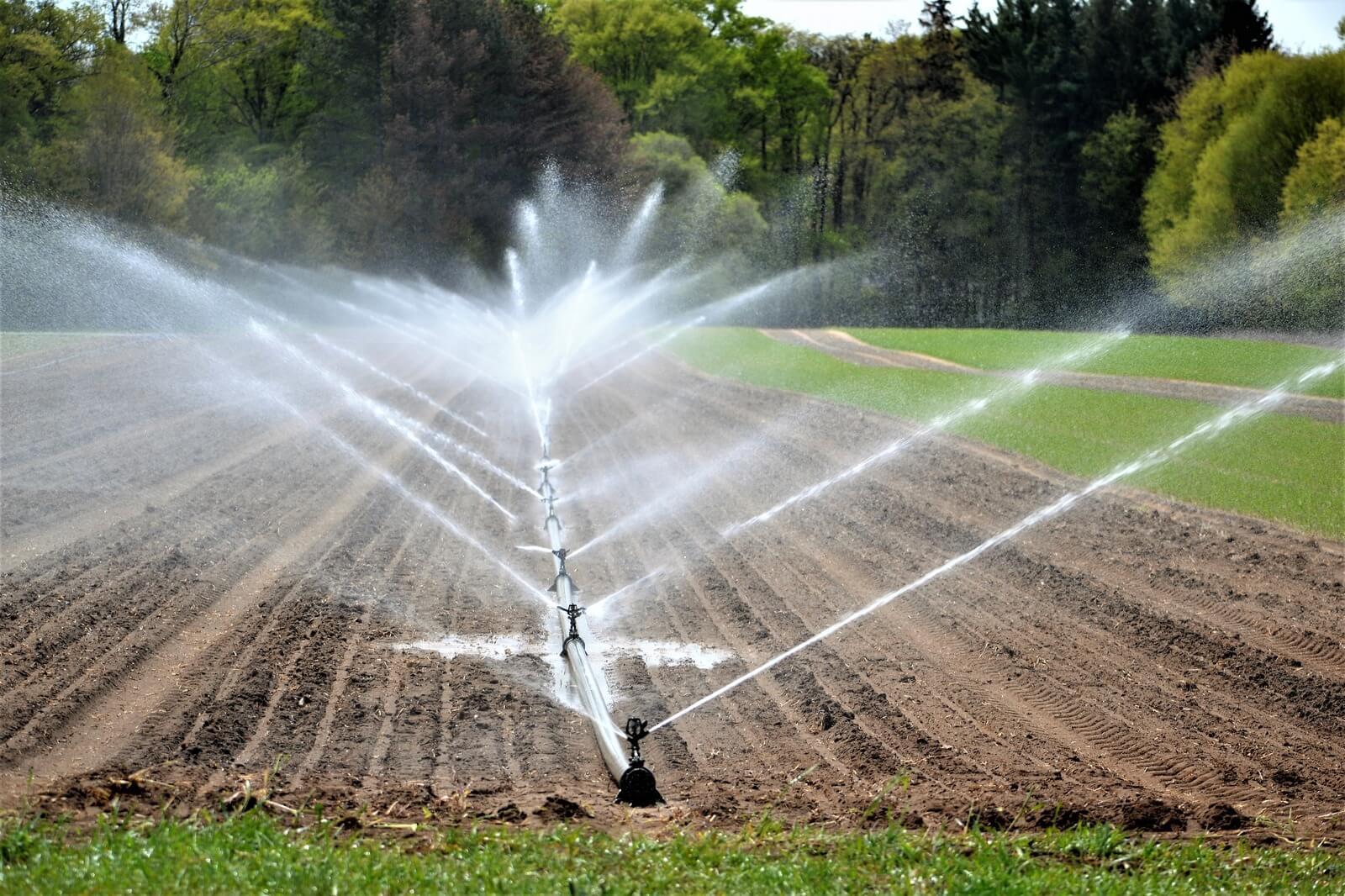
Efficient water management begins with a well-designed irrigation system. Whether for residential lawns, commercial landscapes, or agricultural fields, the right installation can dramatically reduce waste, lower utility costs, and promote healthier plant growth. Modern irrigation technology combines precision engineering with smart controls, allowing property owners to deliver the exact amount of water needed, no more, no less. This article explores the key considerations, best practices, and maintenance tips that ensure an irrigation system performs at its peak for years to come.
Why Proper Installation Matters
Even the most sophisticated irrigation components will underperform if they are not installed correctly. A solid foundation includes:
- Accurate site assessment to determine soil type, slope, and sun exposure.
- Correct pipe sizing and layout to maintain consistent pressure throughout the system.
- Strategic placement of sprinklers, drip emitters, and controllers for uniform coverage.
- Integration of water-saving technologies such as rain sensors and timers.
These steps help avoid common problems like water pooling, uneven watering, and excessive runoff, which can damage both the landscape and the environment.
Key Steps in the Installation Process
1. Site Evaluation and Design Planning
A thorough evaluation begins with soil testing and a topographic survey. Understanding the infiltration rate and natural drainage patterns informs the selection of appropriate emitters and spacing. Professional designers often use software to model water distribution, ensuring that every zone receives optimal coverage.
2. Selecting the Right Components
Choosing high-quality components is essential for longevity. Consider the following:
- Durable, UV-resistant tubing and fittings.
- Pressure-compensating drip emitters for uneven terrain.
- Rotary or pop-up sprinklers with adjustable throw distances.
- Smart controllers that can be programmed remotely.
When selecting a system, it is helpful to Discover expert strategies here to align product choices with site-specific needs.
3. Installation of Underground Infrastructure
Trenching should follow the designed layout, maintaining proper depth to protect pipes from frost and physical damage. Use sand bedding for added support and to prevent sharp bends that could restrict flow. After laying the pipe, perform a pressure test to verify the integrity of the network before backfilling.
4. Installing Surface Components
Position sprinklers and drip lines according to the design plan, ensuring they are level and correctly oriented. For drip systems, install emitters at the base of each plant to maximize efficiency. Connect all components to a central control unit, which will manage watering schedules and respond to weather data.
Smart Controls and Automation
Integrating technology elevates an irrigation system from a manual tool to an intelligent water-management solution. Modern controllers can:
- Adjust watering times based on real-time weather forecasts.
- Provide zone-specific scheduling to accommodate varying plant needs.
- Send alerts for leaks or system malfunctions.
- Allow remote access via smartphone apps.
For a deeper dive into how automation can be tailored to specific landscapes, Learn about our tailored solutions that blend precision hardware with intuitive software.
Maintenance Best Practices
Regular maintenance preserves system efficiency and extends its lifespan. Follow these guidelines:
- Seasonal Inspection: Check for clogged emitters, broken heads, and leaky connections before the start of each watering season.
- Cleaning: Flush the lines with clean water to remove sediment and mineral buildup.
- Calibration: Verify that each sprinkler delivers its rated flow rate; adjust as needed.
- System Audits: Use a flow meter to detect hidden leaks and address them promptly.
Comprehensive guides are available to help property owners stay on top of these tasks; Explore advanced guides and tips for seasonal upkeep and troubleshooting.
Environmental and Cost Benefits
When installed and maintained properly, irrigation systems contribute to sustainable water use. Benefits include:
- Reduced water consumption, often by 30-50% compared with traditional watering methods.
- Lower utility bills due to targeted application and reduced runoff.
- Improved plant health, leading to less fertilizer and pesticide use.
- Compliance with local water-conservation regulations.
Conclusion
Investing in a professionally installed irrigation system is a strategic move for anyone seeking efficient water management. From precise site analysis and component selection to smart automation and diligent maintenance, each phase plays a critical role in delivering consistent, waste-free watering. By adhering to best practices and leveraging modern technology, property owners can achieve healthier landscapes while conserving one of our most valuable resources.