
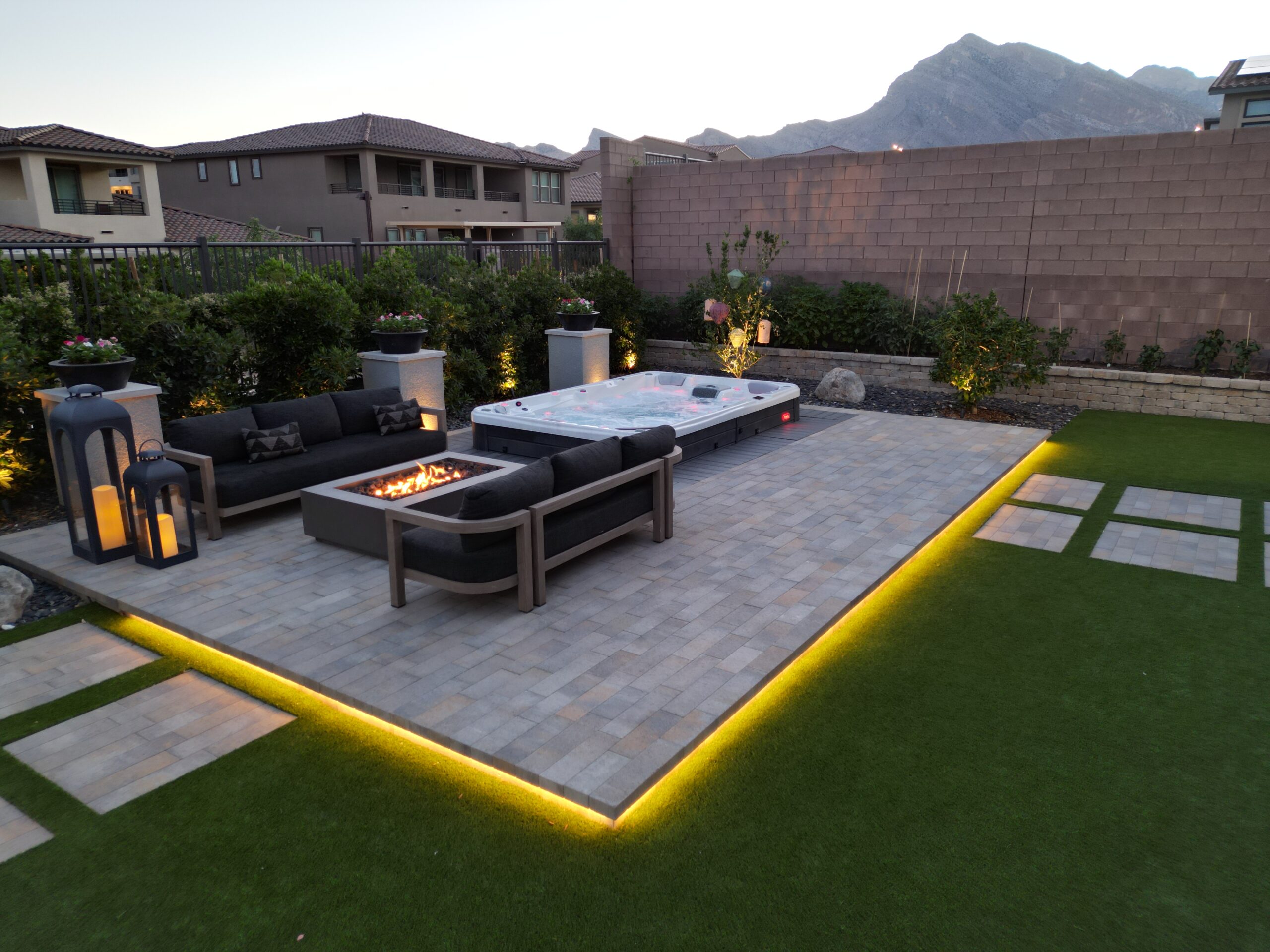
Choosing the right turf for a landscaping project can dramatically affect the aesthetic appeal, maintenance requirements, and long-term durability of an outdoor space. With countless grass varieties, soil conditions, and climate considerations, the decision often feels overwhelming. This guide breaks down the essential factors, soil health, climate compatibility, usage patterns, and aesthetic goals, so that homeowners and designers can make an informed, confident choice.
Assess Your Site Conditions
Soil Type and Preparation
- Texture: Sandy soils drain quickly but may require more frequent watering; clay soils retain moisture but can become compacted.
- pH Level: Most turf grasses thrive in a pH range of 6.0-7.0. Conduct a soil test and amend with lime or sulfur as needed.
- Organic Matter: Incorporating compost improves structure, nutrient availability, and root development.
Climate Compatibility
- Temperature Range: Warm-season grasses (e.g., Bermuda, Zoysia) excel in hot climates, while cool-season grasses (e.g., Kentucky bluegrass, fescue) perform better in cooler regions.
- Rainfall Patterns: Choose drought-tolerant varieties for arid zones, or moisture-loving species for areas with consistent precipitation.
Define the Intended Use
- High-Traffic Areas: For lawns that host sports, pets, or frequent foot traffic, select resilient varieties such as tall fescue or hybrid Bermuda.
- Ornamental Spaces: If visual impact is the priority, fine-leaf grasses like creeping red fescue or ornamental ryegrass provide a lush, carpet-like appearance.
- Eco-Friendly Goals: Native grasses reduce irrigation needs and support local wildlife.
Consider Maintenance Requirements
Maintenance expectations shape the turf selection process. Some grasses demand regular mowing, fertilization, and irrigation, while others are low-maintenance.
- Mowing Frequency: Fine-leaf grasses often need weekly cuts; coarser varieties can be mowed less often.
- Fertilizer Needs: Warm-season grasses typically require fewer applications than cool-season types.
- Irrigation: Drought-tolerant species reduce water usage, an important factor in water-restricted regions.
Match Aesthetic Preferences
- Color: Deep green hues are common in cool-season grasses, while warm-season varieties may display a lighter, golden tint during peak summer.
- Texture: Choose between fine-leaf (soft underfoot) and coarse-leaf (durable) textures based on the desired feel.
- Growth Habit: Some grasses spread via stolons, creating a dense mat; others grow in clumps, offering a more natural, meadow-like look.
Professional Guidance and Resources
When the variables become complex, consulting seasoned experts can streamline the decision-making process. Detailed assessments of soil, climate, and usage patterns help pinpoint the optimal turf mix. Discover expert strategies here. This resource offers case studies and technical data that clarify which grass varieties excel under specific conditions.
Installation Best Practices
Preparation Steps
- Clear existing vegetation and debris.
- Grade the surface to ensure proper drainage.
- Apply a starter fertilizer to promote early root development.
Lay-In Techniques
- Sod: Roll out sod strips tightly together, stagger joints, and water immediately.
- Seed: Distribute seed evenly, rake lightly, and keep the soil consistently moist until germination.
- Hydroseeding: Ideal for large areas; combines seed, mulch, and fertilizer in a slurry.
Long-Term Care and Troubleshooting
- Watering Schedule: Deep, infrequent watering encourages deep root systems.
- Weed Management: Pre-emergent herbicides applied early reduce competition.
- Pest Monitoring: Regular inspections catch infestations before they cause extensive damage.
- Seasonal Renovation: Aeration and overseeding in fall rejuvenate cool-season lawns; summer dethatching benefits warm-season turf.
For those seeking deeper insight into maintenance calendars and specific product recommendations, Learn about our tailored solutions. The site provides downloadable guides that align with regional climate zones, ensuring the turf remains healthy year after year.
Cost Considerations
Budget influences both the choice of turf and the installation method. While sod offers instant results, it carries a higher upfront cost compared to seeding. However, the reduced establishment time can lower long-term irrigation and labor expenses. Evaluating the total cost of ownership, including water, fertilizer, and maintenance, helps determine the most economical option for a given project.
Final Checklist Before Purchase
- Confirm soil pH and amend accordingly.
- Match grass type to local climate and rainfall patterns.
- Identify the primary function of the lawn (recreation, aesthetics, conservation).
- Assess maintenance willingness and schedule.
- Review budget for material, installation, and ongoing care.
By systematically reviewing these factors, homeowners and landscape designers can confidently select a turf that delivers lasting beauty, resilience, and value. For a comprehensive compilation of advanced guides and practical tips, Explore advanced guides and tips. This resource consolidates expert knowledge into an accessible format, supporting successful turf selection and installation.