
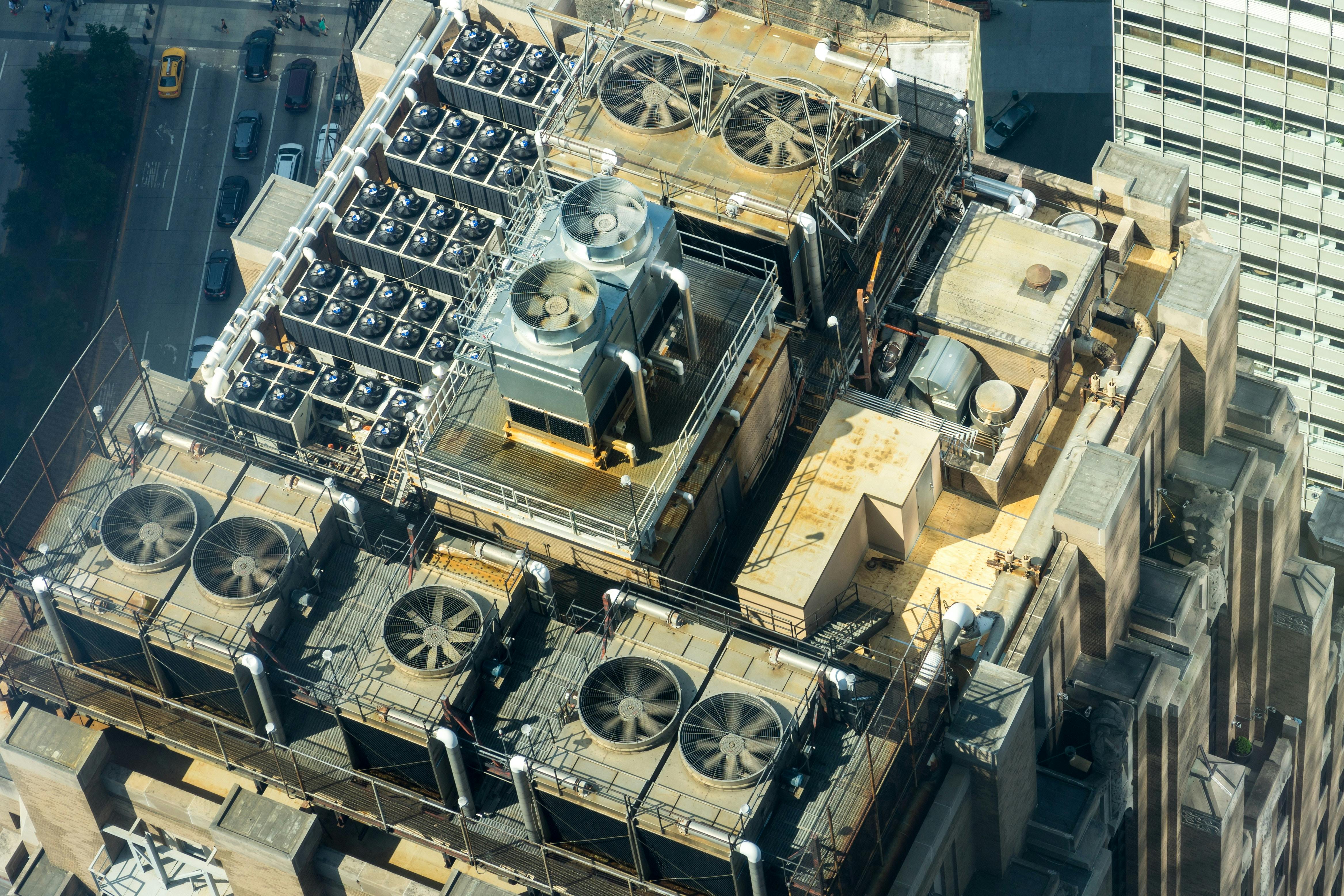
Choosing the right air distribution system is crucial for maintaining a comfortable and efficient environment, whether in a commercial, industrial, or residential space. An effective air distribution system ensures optimal air quality, temperature regulation, and energy efficiency. With various options available, selecting the most suitable system requires careful consideration of multiple factors. This article outlines key considerations and provides insights into making an informed decision.
Understanding Your Space Requirements
Before delving into specific systems, it is essential to assess the unique characteristics of your space. Consider the following factors:
- Space Size and Layout: The size and design of the space significantly influence the type of air distribution system needed. Larger spaces often require more robust systems to ensure even air distribution.
- Occupancy Levels: High-occupancy areas may demand systems with greater capacity to maintain air quality and comfort.
- Purpose of the Space: Whether the area is used for manufacturing, office work, or residential living will impact the system choice, as each use may have different air quality and temperature needs.
For more detailed guidance on sizing and system selection, discover expert strategies here.
Types of Air Distribution Systems
Several air distribution systems are available, each with distinct functionalities and benefits. Understanding these options can aid in making an appropriate choice:
1. Variable Air Volume (VAV) Systems
VAV systems regulate airflow to maintain a consistent temperature throughout the space. These systems are energy efficient, as they adjust the air supply based on demand. Consider VAV systems for:
- Spaces with fluctuating occupancy levels.
- Areas requiring precise temperature control.
- Environments where energy efficiency is a priority.
Learn about our tailored solutions for implementing VAV systems effectively.
2. Constant Air Volume (CAV) Systems
CAV systems deliver a steady airflow at a constant rate, making them suitable for spaces with uniform temperature needs. These systems are ideal for:
- Buildings with consistent occupancy and usage patterns.
- Areas where maintaining a constant environment is critical.
For more insights into CAV systems, explore advanced guides and tips.
3. Displacement Ventilation Systems
This system introduces air at floor level and allows it to rise naturally as it warms, removing contaminants and providing fresh air to the space. Displacement ventilation is particularly effective in:
- Large open spaces like auditoriums and gymnasiums.
- Areas requiring high indoor air quality.
To understand how displacement ventilation can benefit your space, find out more about this approach.
Key Considerations for System Selection
When selecting an air distribution system, consider the following critical aspects:
- Energy Efficiency: Evaluate the system’s energy consumption and potential savings on utility bills.
- Maintenance and Durability: Consider the ease of maintenance and the system?s longevity to minimize long-term costs.
- Integration with Existing Systems: Ensure compatibility with any existing HVAC infrastructure to optimize efficiency.
- Environmental Impact: Opt for systems that align with sustainability goals and reduce carbon footprints.
For comprehensive evaluation criteria, discover expert strategies here.
Conclusion
Choosing the right air distribution system involves a thorough assessment of space requirements, a clear understanding of different systems, and careful consideration of key factors such as energy efficiency and environmental impact. Making an informed decision can significantly enhance comfort, air quality, and operational efficiency. By leveraging expert insights and advanced solutions, you can ensure that the chosen system meets the specific needs of your space effectively.