
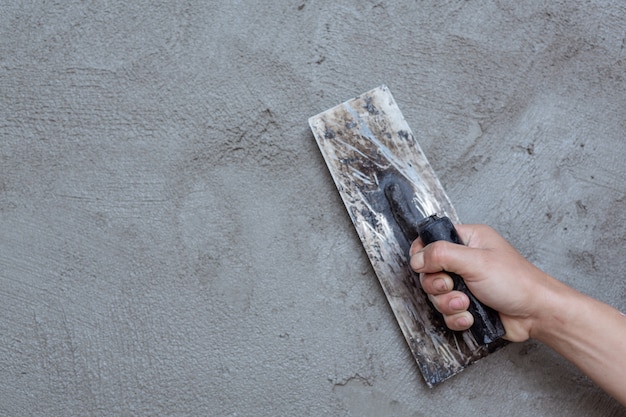
Basement flooding is one of the most costly and disruptive problems a homeowner can face. When water infiltrates the foundation, it not only damages stored items but also compromises structural integrity, leading to mold growth, weakened walls, and expensive repairs. Concrete waterproofing offers a proactive defense, creating a barrier that stops moisture before it can cause harm. By understanding how waterproofing works and the steps involved, property owners can protect their investments and maintain a dry, healthy living space.
Why Concrete Waterproofing Is Essential
Concrete, while strong, is porous. Over time, cracks, joints, and capillary action allow water to seep through. The primary reasons for implementing waterproofing are:
- Preventing water intrusion during heavy rains or rising groundwater.
- Reducing the risk of mold and mildew, which can affect indoor air quality.
- Preserving the structural stability of foundation walls and floors.
- Extending the lifespan of the basement’s finishing materials.
Key Components of an Effective Waterproofing System
1. Surface Sealers and Coatings
Specialized sealers penetrate the concrete matrix, filling microscopic pores and creating a water-resistant layer. These coatings are often polymer-based, offering durability and flexibility to accommodate minor movements in the foundation.
2. Drainage Systems
Interior and exterior drainage solutions work together to redirect water away from the foundation. Exterior French drains collect groundwater before it reaches the wall, while interior sump pumps remove any water that does manage to enter the basement.
3. Crack Injection and Joint Treatment
Cracks are the most common pathways for water. Epoxy or polyurethane injections seal these openings, restoring the concrete’s continuity and preventing future leaks.
How Waterproofing Prevents Flooding
When properly applied, waterproofing creates a multi-layered defense:
- Barrier Formation: Sealers block the concrete’s pores, stopping capillary rise.
- Water Redirection: Drainage systems capture and channel water away from the structure.
- Pressure Relief: By allowing water to flow freely around the foundation, hydrostatic pressure is reduced, lessening the force that drives water into cracks.
These mechanisms work together to keep basements dry even during prolonged rain events.
Steps to Implement Concrete Waterproofing
Professional waterproofing follows a systematic process that ensures lasting protection:
- Inspection and Assessment: Identify problem areas, evaluate soil conditions, and determine the appropriate waterproofing method.
- Surface Preparation: Clean the concrete, remove loose material, and repair any existing cracks.
- Application of Sealers: Apply a primer followed by one or more layers of waterproof coating.
- Installation of Drainage: Place exterior drainage pipes and interior sump systems as needed.
- Final Testing: Conduct water tests to verify that the system performs under simulated flooding conditions.
Benefits Beyond Flood Prevention
In addition to stopping water, waterproofing offers several ancillary advantages:
- Improved indoor air quality by reducing moisture-related allergens.
- Increased property value due to a dry, usable basement space.
- Lower insurance premiums in regions where flood risk is a concern.
Choosing the Right Waterproofing Approach
Not every basement requires the same solution. Factors such as soil type, water table level, and existing foundation conditions influence the choice of method. For detailed guidance on selecting an appropriate system, Discover expert strategies here.
Maintenance Tips to Extend Waterproofing Life
Even the best waterproofing system benefits from regular upkeep. Follow these simple practices to maintain optimal performance:
- Inspect sump pump functionality annually and test it before the rainy season.
- Check exterior drainage outlets for blockages and clear debris.
- Monitor interior walls for new cracks or signs of moisture and address them promptly.
- Schedule professional re-evaluation every 5-7 years to refresh sealers if needed.
Common Misconceptions
Many homeowners assume that a single coating is sufficient or that interior paint can replace proper waterproofing. In reality, a comprehensive system that combines sealers, drainage, and crack treatment is necessary for reliable protection. For a deeper dive into why a layered approach works best, Learn about our tailored solutions.
Conclusion
Basement flooding can be avoided through the strategic application of concrete waterproofing techniques. By creating a robust barrier, managing water flow, and addressing structural vulnerabilities, homeowners protect both their property and their peace of mind. Incorporating regular maintenance and selecting the right system for site-specific conditions ensures that the waterproofing investment continues to deliver results for years to come. For further information and professional guidance, Explore advanced guides and tips.