
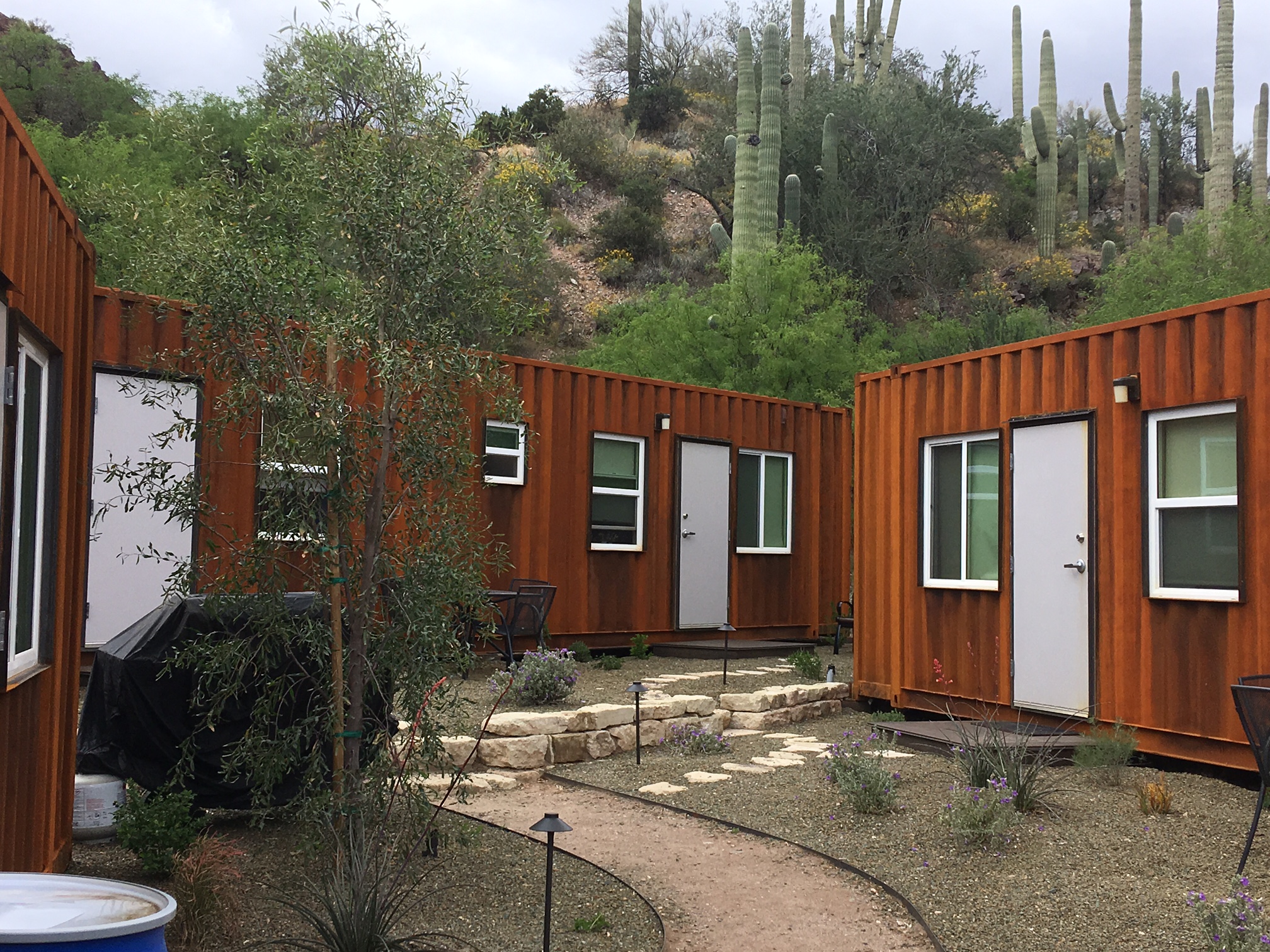
In the quest for efficient, flexible, and rapid construction solutions, modular building solutions have emerged as a formidable option. They offer an innovative approach to traditional construction methods, allowing for faster occupancy rates and greater adaptability to various needs. As industries and individuals seek to minimize downtime and maximize operational efficiency, modular buildings provide a compelling choice that aligns with modern demands.
Understanding Modular Building Solutions
Modular buildings are structures that are prefabricated in sections or modules, which are then transported and assembled on-site. This method of construction offers numerous advantages:
- Speed: Construction time is significantly reduced since the modules are manufactured off-site while site preparation occurs simultaneously.
- Flexibility: Modular designs can be easily modified or expanded to suit evolving needs.
- Cost-Effectiveness: The streamlined process often leads to reduced labor and material costs.
- Sustainability: The controlled production environment minimizes waste and optimizes resource use.
These benefits make modular building solutions an attractive option for a variety of sectors, including healthcare, education, and commercial enterprises. Read more about this topic.
Improving Occupancy Rates with Modular Solutions
One of the most significant advantages of modular construction is its potential to enhance occupancy rates. Here’s how:
Accelerated Timelines
Reducing construction time is a key factor in speeding up occupancy rates. Modular buildings are constructed in a factory setting, which allows for:
- Concurrent work streams where site preparation and module construction happen simultaneously.
- Faster completion times, as weather delays are minimized in controlled environments.
- Quicker installation and assembly processes on-site.
This accelerated timeline not only enhances efficiency but also reduces the time to market for business operations. Explore further insights here.
Quality Assurance
The factory-controlled process ensures a high level of quality assurance, leading to fewer on-site adjustments and a smoother transition to occupancy. This is achieved through:
- Stringent quality checks at every stage of production.
- Use of precision machinery that enhances the structural integrity and finish of the modules.
- Standardized construction processes that reduce errors and defects.
High-quality construction translates into fewer post-construction issues and a quicker path to operational readiness. Find additional information here.
Applications Across Various Sectors
Modular building solutions are not confined to a single industry. Instead, they offer versatility and adaptability across multiple sectors:
- Healthcare: Rapidly deployable clinics and medical facilities can be set up to meet urgent healthcare demands.
- Education: Classrooms and educational facilities can be expanded or relocated as per demographic needs.
- Commercial: Offices and retail spaces can be constructed to support business growth and market expansion.
For each of these sectors, modular buildings provide a tailored approach to meet specific operational requirements efficiently and effectively. Learn more in this detailed guide.
Conclusion
In summary, modular building solutions represent a forward-thinking approach to modern construction challenges. By offering speed, flexibility, and quality, they enable organizations to improve occupancy rates and adapt to changing needs rapidly. As industries continue to evolve, the demand for efficient, sustainable, and cost-effective building solutions will likely see a continued rise in the adoption of modular methods. For those seeking to enhance their operational efficiency, embracing modular construction is a strategic step forward. Read more about this topic.