
Essential Guide to Leaky Basement Repair
A leaky basement is a common issue that can lead to serious structural problems if not addressed promptly. Water intrusion can cause damage to walls, floors, and personal belongings, and can even lead to mold growth. Understanding the causes of basement leaks and how to effectively address them is crucial for maintaining a safe and dry home environment. This guide provides a comprehensive overview of leaky basement repair, offering practical advice on identifying, preventing, and fixing common issues.
Understanding the Causes of Basement Leaks
Identifying the root cause of a basement leak is the first step in determining the appropriate repair strategy. Here are some common causes:
- Poor Drainage: Inadequate drainage around the foundation can lead to water pooling and seeping into the basement.
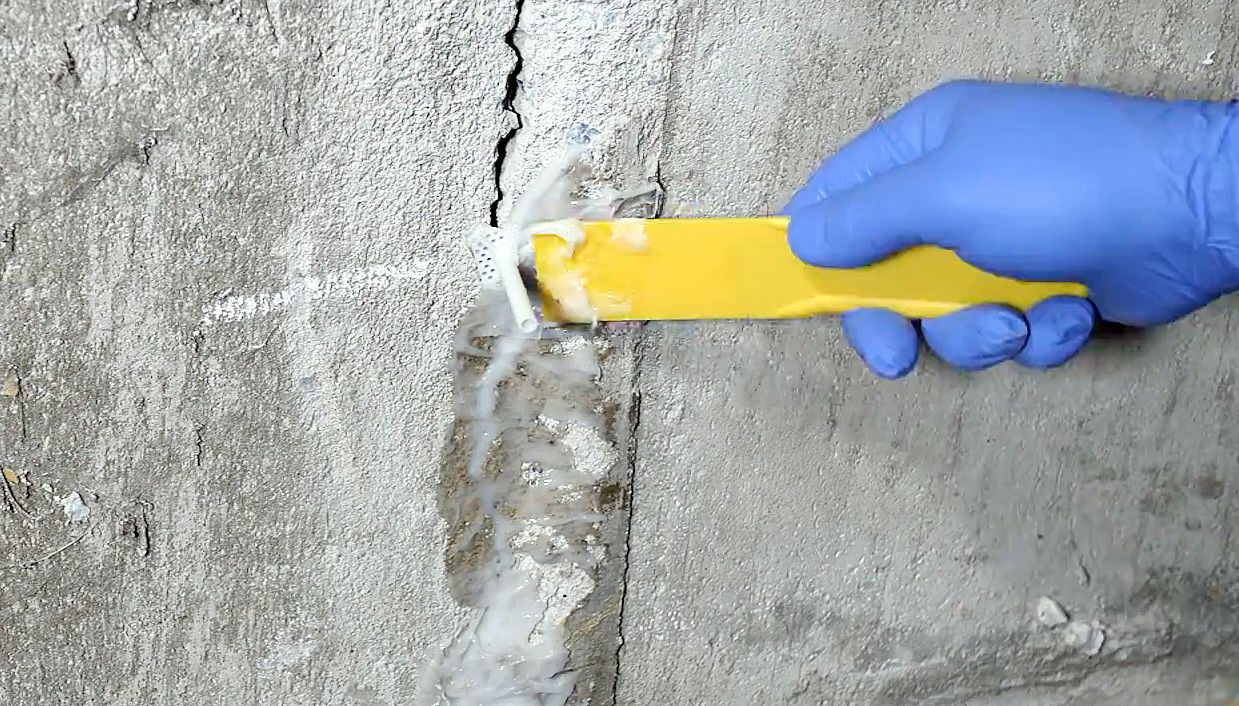
- Cracks in Foundation: Structural cracks in foundation walls and floors can allow water to enter.
- Hydrostatic Pressure: Water pressure from saturated soil can force moisture through the foundation.
- Faulty Gutters and Downspouts: Clogged or improperly directed gutters can contribute to basement leaks.
Preventive Measures for Basement Water Intrusion
Prevention is always better than cure. Implementing preventive measures can significantly reduce the risk of basement leaks:
- Ensure Proper Grading: Ensure the ground slopes away from the foundation to direct water away from the home.
- Maintain Gutters and Downspouts: Regularly clean and inspect gutters and downspouts to ensure they direct water away from the foundation.
- Install a Sump Pump: A sump pump can help remove water that collects in the basement.
- Seal Foundation Cracks: Regularly inspect and seal any cracks in the foundation to prevent water entry.
Effective Solutions for Leaky Basement Repair
Interior Solutions
When water has already entered the basement, certain interior solutions can help manage and repair the damage:
- Interior Sealants: Applying waterproof sealants to walls and floors can help prevent water intrusion.
- Drainage Systems: Interior drainage systems, such as French drains, can collect water and direct it to a sump pump.
Exterior Solutions
To tackle the problem at its source, exterior solutions are often necessary:
- Excavation and Waterproofing: Excavating around the foundation and applying waterproof coating or membranes can prevent water entry.
- Exterior Drainage: Installing exterior drainage systems can effectively redirect water away from the foundation.
When to Consult a Professional
While minor leaks might be manageable with DIY efforts, certain situations require professional intervention. Consider consulting a professional when:
- The source of the leak is not easily identifiable.
- There are structural issues with the foundation.
- Previous repair efforts have failed.
- Mold growth is present, indicating a long-term moisture problem.
For more detailed information on professional leaky basement repair solutions, consider exploring expert resources that offer guidance on addressing complex issues.
Conclusion
Addressing a leaky basement promptly and effectively is essential to protecting the structural integrity of your home and ensuring a healthy living environment. By understanding the causes, implementing preventive measures, and knowing when to seek professional help, homeowners can successfully manage and resolve basement water issues.