
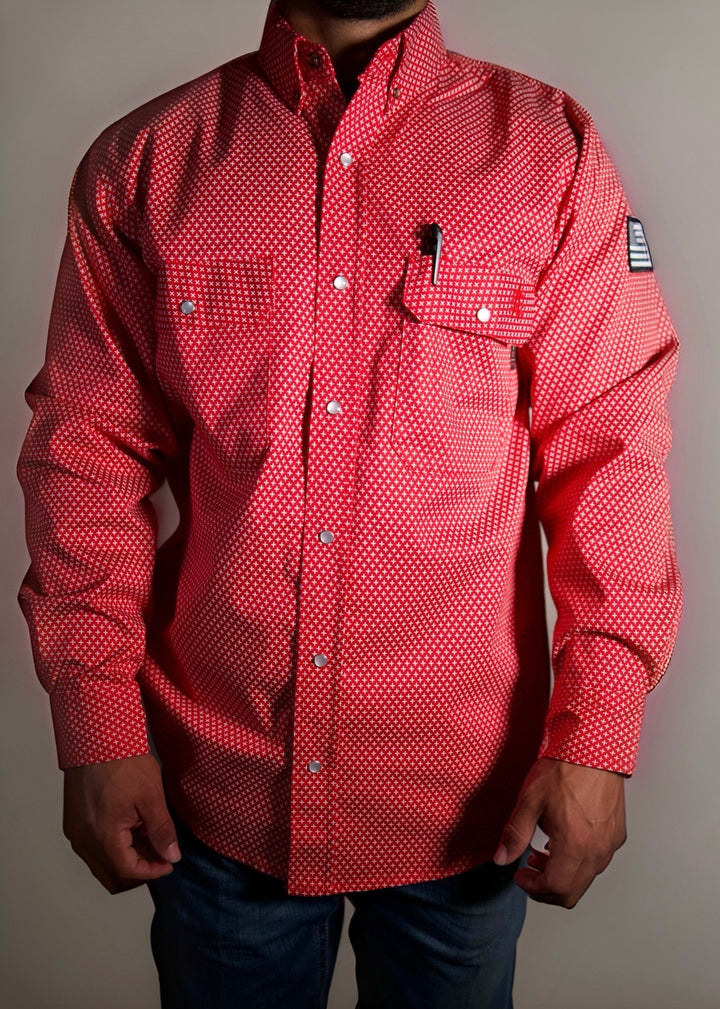
In modern industrial settings, safety is a paramount concern. Among the array of protective gear, the Flame-Resistant (FR) shirt stands out as a critical component for workers exposed to thermal hazards. Selecting the right FR shirt can be a daunting task, given the myriad of options available in the market. This guide aims to simplify the process by highlighting the essential factors to consider, ensuring optimal safety and compliance with industry standards.
Understanding FR Shirts
FR shirts are designed to protect workers from flash fires, electric arcs, and other thermal exposures. These shirts are made from flame-resistant materials that self-extinguish, reducing the severity of burn injuries.
Key Features of FR Shirts
- Material Composition: Look for fabrics that are inherently flame-resistant, such as aramid or modacrylic, or those treated with FR chemicals.
- Durability: High-quality FR shirts should withstand multiple washes while maintaining their protective properties.
- Comfort and Fit: Ensure that the shirt allows for ease of movement and is breathable, providing comfort for extended wear.
- Certification: Verify that the shirt meets industry standards such as NFPA 2112 or ASTM F1506.
Considerations for Choosing the Best FR Shirt
Work Environment
The specific hazards present in the workplace will significantly influence the choice of an FR shirt. For instance, environments with higher risks of flash fires or arc flashes may require shirts with higher arc ratings or additional protective layers.
Compliance with Safety Standards
Adherence to safety standards is crucial when selecting an FR shirt. Ensure that the shirt complies with recognized standards, as this guarantees a level of protection that has been rigorously tested.
Temperature and Climate
- Hot Climates: Opt for lightweight, breathable materials that wick moisture away from the body.
- Cold Climates: Consider FR shirts that offer thermal insulation or can be layered with other protective gear.
Style and Design
While safety is the primary concern, the style and design of the FR shirt can also impact its utility and comfort. Shirts are available in various styles, including button-down, polo, and henley, allowing for a degree of personal preference and workplace uniformity.
Maintenance and Care
Proper maintenance is essential to prolong the life and effectiveness of an FR shirt. Follow the manufacturer’s care instructions, which often involve specific washing and drying guidelines to preserve the integrity of the flame-resistant properties.
Washing Tips
- Avoid using bleach or fabric softeners, as these can degrade the flame-resistant treatment.
- Wash the shirt separately from other garments to prevent contamination with flammable materials.
Conclusion
Choosing the right FR shirt is a nuanced process that demands a careful evaluation of material, fit, compliance, and environmental factors. By prioritizing these considerations, one can ensure adequate protection against workplace thermal hazards, ultimately safeguarding workers’ health and safety.