
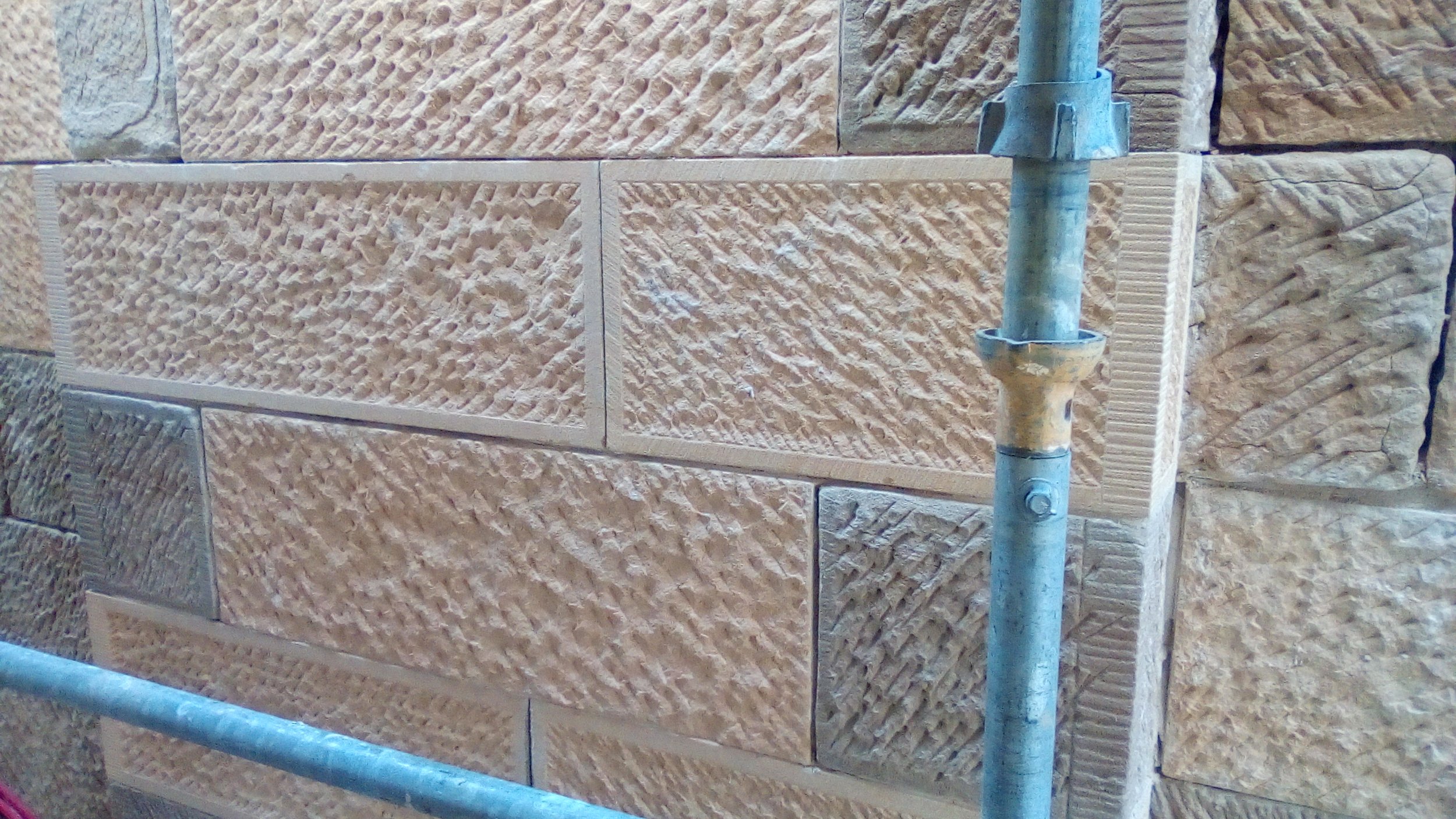
Building sculptures are often the crown jewels of architectural designs, enhancing aesthetics and adding cultural value. However, these artistic elements are susceptible to the ravages of time, environmental factors, and human interaction. Ensuring the maintenance of building sculptures is crucial not only for preserving their beauty but also for maintaining the integrity of the structure they adorn. This article explores effective strategies and practices for maintaining building sculptures, focusing on preventative measures, regular inspections, and restoration techniques.
Understanding Sculpture Materials
The first step in maintaining building sculptures is understanding the materials from which they are made. Different materials require different maintenance approaches:
- Stone: Often used for its durability and timeless beauty, stone requires regular cleaning and sealing to prevent deterioration.
- Metal: Metals like bronze or copper are prone to oxidation and require protective coatings to maintain their luster.
- Wood: More susceptible to weathering, wood sculptures need regular treatment to prevent rot and insect damage.
- Ceramic and Glass: These materials are fragile and need careful handling to avoid cracks and breakages.
For more detailed information on material-specific maintenance, discover expert strategies here.
Implementing a Maintenance Schedule
Regular Inspections
Conducting regular inspections is a proactive approach to identifying potential issues before they become significant problems. Inspections should focus on:
- Checking for visible signs of damage such as cracks, chips, or corrosion.
- Assessing the stability of the sculpture, ensuring it is securely anchored.
- Evaluating the condition of any protective coatings or sealants.
For guidance on setting up an effective inspection routine, learn about our tailored solutions.
Cleaning and Preservation
Cleaning is essential for preventing the buildup of dirt, grime, and pollutants, which can degrade materials over time. Key cleaning practices include:
- Using appropriate cleaning agents specific to the sculpture’s material.
- Employing non-abrasive tools to avoid damaging surfaces.
- Applying protective coatings post-cleaning to shield against future damage.
Explore advanced guides and tips on proper cleaning techniques here.
Restoration Techniques
Despite best efforts, some sculptures may require restoration to address wear and damage. Restoration involves:
- Patch Repairs: Filling in cracks or missing pieces to restore structural integrity and appearance.
- Re-coating: Applying new protective layers to metals or stone surfaces to prevent further deterioration.
- Re-anchoring: Ensuring the sculpture is securely mounted to avoid accidents.
Find out more about this approach and the latest restoration technologies here.
Conclusion
Maintaining building sculptures requires a comprehensive approach that combines understanding the materials, implementing regular maintenance schedules, and applying restoration techniques when necessary. By taking these steps, building sculptures can continue to enhance architectural beauty and cultural value for generations to come. For further insights and professional guidance, discover expert strategies here.