
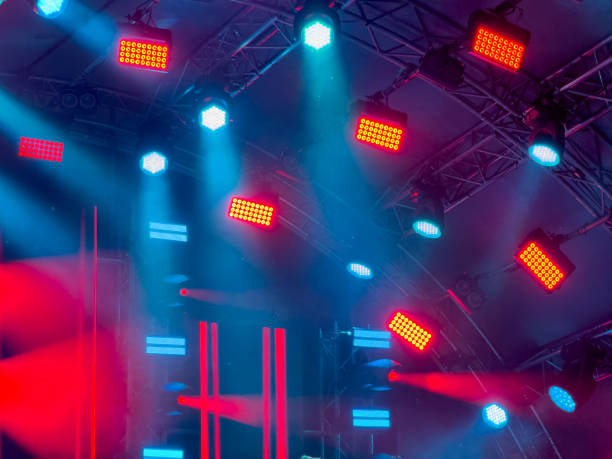
Creating an enchanting atmosphere through stage lighting is an essential part of any performance, be it a theatrical play, a concert, or a church service. The right lighting not only highlights the performers and sets the mood but also enhances the overall experience for the audience. With the advent of technology, LED stage lighting has become a popular choice due to its versatility and efficiency. This article explores various stage lighting options and their impact on creating captivating environments.
Understanding the Basics of Stage Lighting
Stage lighting is more than just illuminating a space; it is about creating an atmosphere that complements the performance. The key elements of stage lighting include:
- Intensity: The brightness of the lights can influence mood and visibility. Adjusting intensity helps focus attention on specific areas or create dramatic effects.
- Color: Different colors evoke different emotions. Warm colors like red or orange can create intimacy, while cool colors such as blue or green can evoke calmness.
- Direction: The angle and direction of light can add depth and dimension, creating shadows and highlights that enhance the visual appeal.
- Movement: Dynamic lighting can add excitement and guide the audience’s attention across the stage.
Types of Stage Lighting Fixtures
Selecting the right fixtures is crucial for effective stage lighting. Some common types include:
- Spotlights: Perfect for focusing on a specific area or performer, spotlights are versatile and can be used for dramatic effects.
- Floodlights: These provide broad coverage, making them ideal for general illumination or lighting large areas of the stage.
- LED Panels: Known for their energy efficiency and versatility, LED panels offer a wide range of colors and effects.
- Moving Head Lights: These lights can move in multiple directions and create dynamic effects, often used in concerts and theatrical productions.
Innovative Use of Stage Lighting in Church Services
In recent years, church lighting has evolved beyond traditional settings to incorporate innovative lighting techniques. By integrating LED lights and modern fixtures, churches can create atmospheres that enhance worship experiences. Some effective strategies include:
- Using colored lighting to reflect the theme of a sermon or service.
- Incorporating dimmers to create a more intimate setting during prayer or reflection.
- Utilizing moving lights to highlight different areas of the stage or sanctuary.
Benefits of Advanced Stage Lighting Technology
Investing in advanced stage lighting technology offers numerous benefits:
- Energy Efficiency: Modern lighting solutions, particularly LED options, consume less energy and have a longer lifespan than traditional bulbs.
- Flexibility: With programmable features, stage lighting can be easily adjusted to suit different performances and events.
- Enhanced Creativity: The latest lighting technologies provide a wide range of colors and effects, allowing for more creative and visually appealing productions.
- Cost-Effectiveness: Despite the initial investment, advanced lighting systems can reduce operational costs over time due to their durability and lower energy consumption.
Conclusion
Stage lighting plays a pivotal role in transforming a performance space and elevating the audience’s experience. By understanding the various lighting options available, and how they can be applied creatively, one can create an enchanting atmosphere that captivates and engages. Whether it is a theatrical production, a concert, or a church service, the right lighting design can make all the difference.