
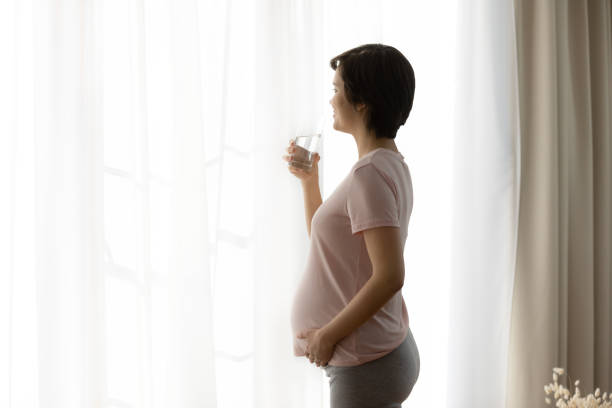
Pregnancy is a time of immense change for a woman’s body. As the body works to support the growing fetus, it is essential that expectant mothers pay attention to their hydration levels. Dehydration during pregnancy can lead to complications such as headaches, nausea, dizziness, and even preterm labor. Fortunately, with a few simple strategies, pregnant women can maintain optimal hydration and ensure their well-being as well as their baby’s health.
Understanding Dehydration in Pregnancy
Dehydration in pregnancy is a condition where the body loses more fluids than it takes in, which can affect both the mother and the baby. It is crucial to recognize the signs of dehydration early to prevent any adverse effects. Some common symptoms include:
- Dark yellow or strong-smelling urine
- Feeling thirsty or having a dry mouth
- Fatigue or dizziness
- Decreased frequency of urination
Addressing dehydration in pregnancy promptly can help prevent these symptoms from escalating into more severe issues.
Effective Hydration Strategies
1. Drink Plenty of Water
Water is the most effective way to stay hydrated. Pregnant women should aim to drink at least eight to ten glasses of water a day. Keeping a water bottle handy can serve as a reminder to drink regularly. Additionally, opting for water over caffeinated drinks can reduce the risk of dehydration.
2. Incorporate Hydrating Foods
In addition to water, many fruits and vegetables have high water content and can aid in hydration. Some hydrating foods include:
- Cucumber
- Watermelon
- Oranges
- Lettuce
- Strawberries
Including these in your daily meals can contribute significantly to your overall fluid intake.
3. Monitor Fluid Intake
Keeping track of daily fluid intake can help in maintaining adequate hydration levels. Using apps or journals dedicated to health tracking can help pregnant women ensure they are consuming the necessary amount of fluids.
Dealing with Morning Sickness
Morning sickness can make staying hydrated a challenge. Sipping on small amounts of water throughout the day, rather than drinking large amounts at once, can help manage nausea. Additionally, ginger tea or lemon water can be soothing options that also provide hydration.
When to Seek Medical Advice
While staying hydrated is generally manageable with lifestyle adjustments, there are times when professional advice is necessary. If a pregnant woman experiences severe symptoms of dehydration, such as:
- Persistent dizziness
- Rapid heartbeat
- Severe headaches
- Confusion or disorientation
It is crucial to seek medical attention immediately. Healthcare providers can offer personalized advice and treatment options to address severe dehydration effectively.
Maintaining hydration is a key aspect of a healthy pregnancy. By incorporating these strategies, expectant mothers can safeguard their health and the well-being of their unborn child. For more information on managing dehydration during pregnancy, consider reaching out to healthcare professionals or trusted resources.