
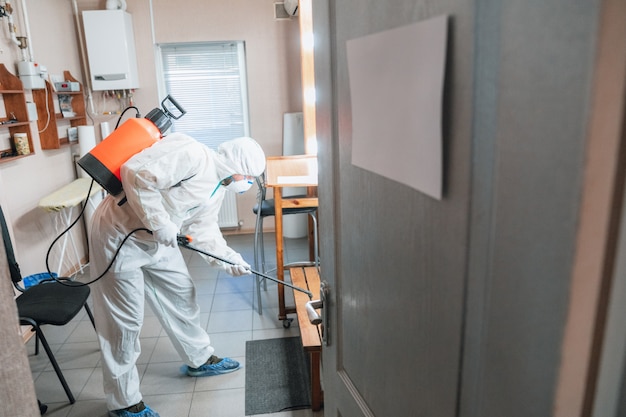
Mold infestation in the attic is a common problem that can cause significant damage to the structure of a home, compromise indoor air quality, and even pose health risks to occupants. The issue often arises due to inadequate ventilation, poor insulation, or water damage. However, with the right approach and guidance, homeowners can prevent and effectively remove mold from their attic spaces. Discover expert strategies here to tackle this problem effectively.
Causes of Attic Mildew and Mold Infestation
The primary causes of attic mildew and mold infestation include inadequate ventilation, poor insulation, and water damage. When the attic space is not properly ventilated, moisture can accumulate, creating an ideal environment for mold growth. Additionally, poor insulation can lead to temperature fluctuations, causing condensation, which can further exacerbate the problem. Water damage, either from leaks or flooding, can also contribute to mold growth in the attic.
- Leaky roofs or damaged flashing
- Poorly insulated or ventilated spaces
- Water damage from flooding or leaks
- High humidity levels
Signs of Attic Mold Infestation
Identifying attic mold infestation early is crucial to prevent further damage and health risks. Some common signs of attic mold include:
- Visible mold growth on walls, floors, or ceilings
- Musty odors or smells
- Water stains or discoloration on surfaces
- Peeling or flaking paint
Preventing Attic Mold Infestation
Prevention is key to avoiding attic mold infestation. Regular maintenance and inspections can help identify potential issues before they become major problems. Some effective ways to prevent attic mold include:
- Regularly inspecting the attic space for signs of moisture or damage
- Ensuring proper ventilation and insulation
- Fixing leaks or water damage promptly
- Using a dehumidifier to control humidity levels
Learn about our tailored solutions to address specific attic mold issues. These solutions often involve a combination of prevention and remediation strategies to ensure long-term results.
Removing Attic Mold
When attic mold infestation is identified, removal is necessary to prevent further damage and health risks. The removal process typically involves:
- Identifying and addressing the source of moisture or damage
- Containing the affected area to prevent further mold growth
- Using specialized equipment and cleaning solutions to remove mold
- Ensuring proper ventilation and drying of the affected area
Find out more about this approach to attic mold removal. It’s essential to work with professionals who have the necessary expertise and equipment to ensure safe and effective removal.
Conclusion
Attic mold infestation can cause significant problems for homeowners, but with the right approach and guidance, it can be prevented and effectively removed. By understanding the causes, signs, and prevention strategies, homeowners can take proactive steps to protect their homes and ensure a healthy indoor environment. Explore advanced guides and tips for effective attic mold removal and prevention.
For more information on attic mold removal and prevention, visit the expert resource for expert strategies and tailored solutions.