
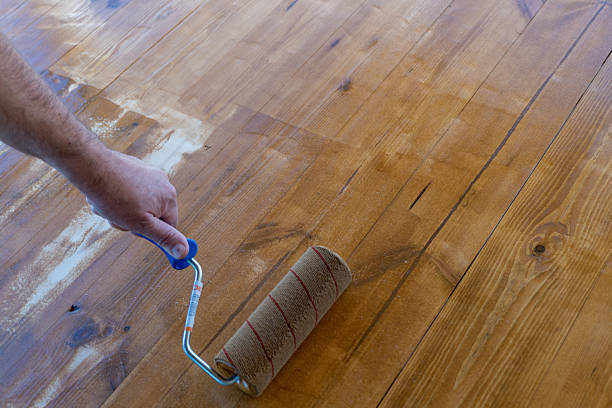
Wood is a timeless material revered for its beauty, versatility, and durability. However, to maintain these qualities, it’s crucial to protect wood from natural elements and everyday wear. The application of quality sealants is a fundamental step in preserving wood’s natural aesthetics and structural integrity. This article explores the significance of using high-grade sealants for wood protection, focusing on the advantages, application techniques, and considerations for selecting the right product for your needs.
The Importance of Wood Sealants
Wood sealants are critical in extending the lifespan of wooden structures and surfaces. They act as a barrier against environmental factors such as moisture, UV rays, and temperature fluctuations. Without proper sealing, wood is prone to damage, including warping, cracking, and rotting.
- Protection from Moisture: A wood waterproofing sealer prevents water penetration, which can cause swelling, warping, and mold growth.
- UV Ray Defense: Sealants help protect against the harmful effects of UV rays, which can lead to discoloration and degradation.
- Enhanced Durability: Quality sealants add a layer of durability, reducing wear and tear from everyday use.
- Preservation of Appearance: Sealants maintain the natural beauty of wood by enhancing its grain and color.
Types of Wood Sealants
Oil-Based Sealants
Oil-based sealants penetrate deeply into the wood, providing excellent protection and enhancing the wood’s natural color. They are ideal for projects where a rich finish and maximum penetration are desired.
Water-Based Sealants
Water-based sealants are known for their ease of application and quick drying times. They are environmentally friendly and less odorous, making them a popular choice for interior applications.
Hybrid Sealants
Hybrid sealants combine the benefits of both oil and water-based products, offering enhanced performance and versatility. They are suitable for a wide range of applications, including outdoor projects where an exterior wood sealant is required.
Application Techniques for Optimal Results
Proper application of sealants is essential to achieve the desired protection and finish. Here are some tips to ensure optimal results:
- Surface Preparation: Begin by cleaning the wood surface to remove dirt, dust, and previous finishes. Sand the surface if necessary to ensure smoothness.
- Choosing the Right Tools: Use brushes or rollers that are appropriate for the type of sealant being applied. Brushes are ideal for intricate surfaces, while rollers work well for larger areas.
- Application Environment: Apply sealants in a well-ventilated area with moderate temperatures to ensure proper curing.
- Layering: Apply the sealant in thin, even coats to prevent drips and ensure a uniform finish. Multiple coats may be necessary for maximum protection.
Considerations for Selecting a Wood Sealant
Choosing the right sealant can be challenging, given the variety of options available. Consider the following factors when selecting a wood protection sealant in Saskatoon or other regions:
- Project Type: Determine whether the project is indoor or outdoor, as this will influence the type of sealant needed.
- Wood Species: Different wood species may react differently to sealants, so understanding the characteristics of the wood is crucial.
- Desired Finish: Consider the aesthetic you wish to achieve, whether it’s a natural look or a glossy finish.
- Environmental Impact: Opt for environmentally friendly options if sustainability is a priority.
In conclusion, the application of a quality wood sealant is a vital step in preserving the beauty and integrity of wood surfaces. By understanding the different types of sealants and their applications, you can ensure that your wood projects remain protected and aesthetically pleasing for years to come. Investing in the right sealant is an investment in the longevity and appearance of your wooden assets.