
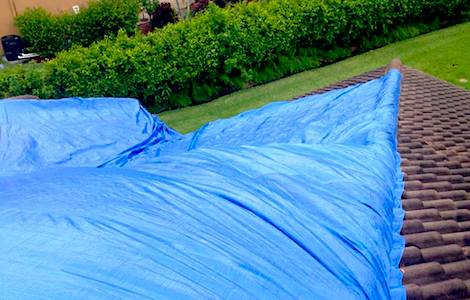
Choosing the right tarp can make the difference between a successful outdoor project and a frustrating one. Whether protecting a garden bed, covering equipment on a construction site, or creating a temporary shelter for a backyard gathering, the size, material, and durability of the tarp are critical factors. This guide walks through the essential considerations for selecting the best small tarp for both outdoor projects and everyday home use, helping you make an informed decision without the guesswork.
Key Factors to Evaluate
Material Composition
- Polyethylene (PE): Lightweight, water-resistant, and ideal for short-term coverage.
- Polyvinyl Chloride (PVC): Heavier, highly durable, and resistant to UV degradation, perfect for long-term outdoor exposure.
- Canvas: Breathable and strong, suitable for applications where airflow is important, such as covering firewood.
Size and Shape
- Measure the area you need to cover and add a 10-15% margin for secure anchoring.
- Common small tarp dimensions range from 4 × 6 ft to 8 × 10 ft, offering flexibility for most residential tasks.
- Consider pre-grommeted edges for easier tying and tensioning.
Weight and Portability
- For projects that require frequent transport, choose a lighter polyethylene option.
- Heavier PVC tarps provide superior protection but may need additional assistance to move.
Practical Applications
Outdoor Projects
When working on a garden, a small tarp can protect seedlings from excess rain or harsh sunlight. For construction sites, a durable PVC version shields tools and materials from dust and moisture, extending their lifespan.
Home Use
Inside the house, a small tarp works well as a drop-cloth for painting, a protective cover for furniture during moves, or a quick shelter for outdoor picnics and barbecues.
Features to Look For
- UV Resistance: Prevents cracking and fading when exposed to sunlight for extended periods.
- Waterproof Rating (mm): Higher numbers indicate better water resistance; aim for at least 1500 mm for most outdoor uses.
- Reinforced Grommets: Metal grommets reduce tearing and make securing the tarp easier.
- Seam Strength: Double-stitched or welded seams add durability, especially on larger tarps.
Maintenance and Longevity
Proper care can significantly extend the life of a tarp. After each use, shake off debris, rinse with mild soap, and allow it to dry completely before storage. Store in a cool, dry place away from direct sunlight to prevent material degradation.
Buying Tips
- Read customer reviews for real-world performance insights.
- Check the warranty, many reputable brands offer a 1-year guarantee on material defects.
- Compare price per square foot to ensure you’re getting value for money.
- Consider buying from a retailer that offers a variety of sizes, so you can upgrade later without changing brands.
Conclusion
Selecting the right small tarp involves balancing material durability, size, weight, and specific project needs. By focusing on the factors outlined above, you can confidently choose a tarp that protects your belongings, withstands the elements, and provides reliable performance for years to come.