
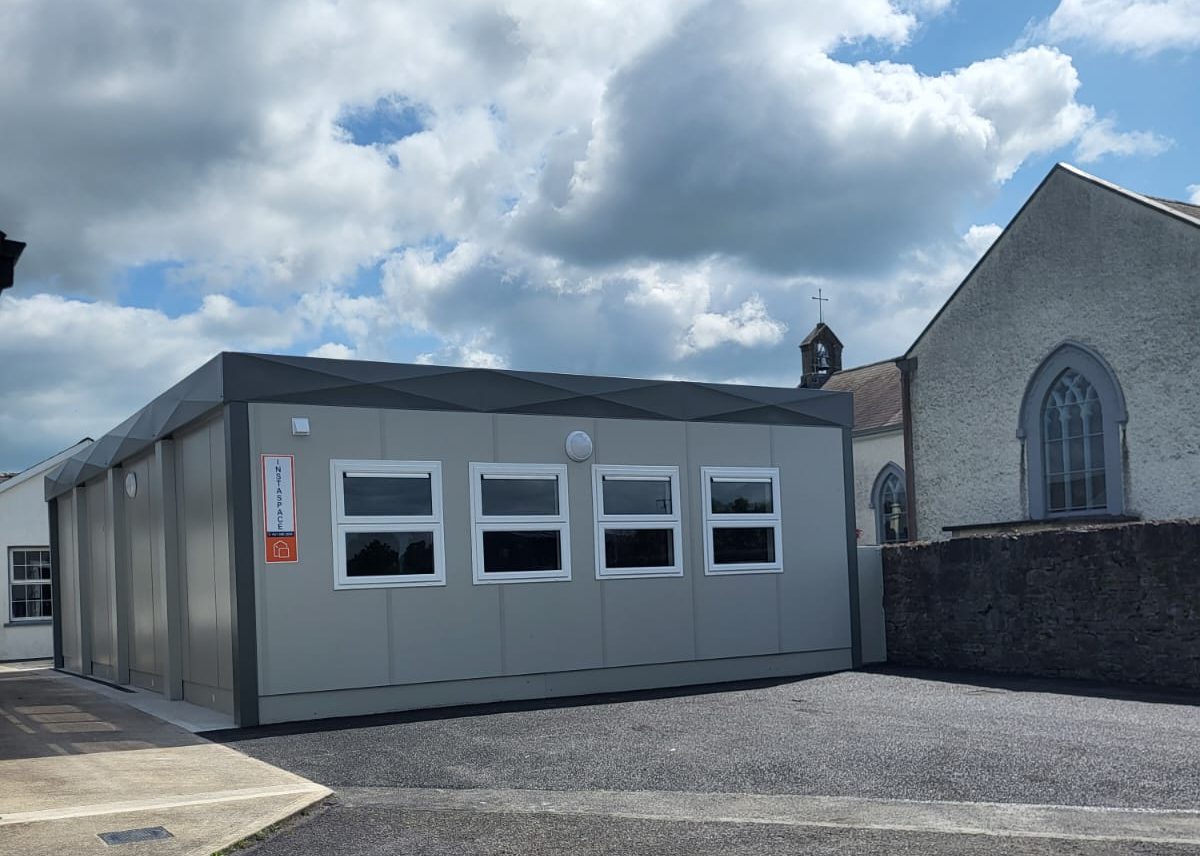
In recent years, the demand for flexible and budget-friendly educational infrastructure has surged in Ireland. As colleges and universities seek to accommodate growing student populations and evolving educational demands, modular buildings have emerged as a viable solution. These prefabricated structures offer schools the opportunity to expand quickly and economically, without sacrificing quality or aesthetics. The adoption of modular construction in educational settings has been driven by its numerous advantages, such as speed, cost efficiency, and sustainability.
Benefits of Modular College Buildings
Educational institutions in Ireland are increasingly turning to modular buildings for several compelling reasons. Here are some key benefits:
- Cost-effectiveness: Modular buildings often come at a lower price point compared to traditional construction. The prefabrication process reduces labor costs and minimizes waste, making it a financially prudent choice for colleges.
- Speed of Construction: With the majority of construction work completed off-site, modular buildings can be erected swiftly. This rapid deployment is particularly advantageous for colleges needing to expand facilities promptly to meet enrollment demands.
- Flexibility and Scalability: Modular structures can be easily reconfigured, expanded, or relocated, offering educational institutions the flexibility to adapt to changing needs without significant additional costs.
- Sustainability: Prefabricated buildings are often more environmentally friendly. The controlled manufacturing environment reduces waste, and many modular buildings are designed with energy efficiency in mind.
Applications in the Educational Sector
Modular buildings are versatile and can serve various functions within a college environment. These structures have been successfully used for:
- Classrooms and Lecture Halls: Modular units can be configured to create spacious, comfortable learning environments.
- Laboratories and Research Facilities: With the ability to customize interiors, modular buildings can house specialized equipment and meet specific scientific needs.
- Student Accommodation: Modular designs are also being utilized to provide quick and cost-effective student housing solutions.
- Administrative Offices: Colleges can efficiently expand their administrative spaces with modular solutions, ensuring that staff have the necessary facilities to support students.
For those interested in exploring how modular construction can be tailored to meet specific educational needs, learn about our tailored solutions.
Challenges and Considerations
While modular buildings offer numerous advantages, there are also challenges that institutions may encounter:
- Planning and Permitting: Navigating local regulations and obtaining necessary permissions can be complex and time-consuming.
- Design Limitations: Although customizable, modular buildings may have design constraints that limit architectural creativity compared to traditional methods.
- Integration with Existing Structures: Ensuring seamless integration with existing architecture requires careful planning and design considerations.
Understanding these challenges is crucial. Institutions can discover expert strategies here to overcome potential obstacles and optimize the use of modular buildings.
Future Prospects and Innovations
The future of modular construction in Ireland’s educational sector looks promising. Innovations in materials and design are continually enhancing the functionality and appeal of these structures. Some of the trends to watch include:
- Smart Building Technologies: Incorporating IoT and smart technologies to enhance energy efficiency and create interactive learning environments.
- Advanced Materials: The use of sustainable and resilient materials to improve the longevity and performance of modular buildings.
- Hybrid Modular Solutions: Combining modular construction with traditional methods to achieve complex architectural designs.
To stay ahead and make informed decisions, educational institutions can explore advanced guides and tips on deploying modular buildings effectively.
Conclusion
Modular college buildings provide a cost-effective and dynamic solution to the growing infrastructural needs of educational institutions in Ireland. By embracing this modern construction method, colleges can quickly expand their facilities while maintaining budgetary constraints and environmental responsibility. As the sector continues to evolve, institutions are encouraged to find out more about this approach and consider modular options as a strategic component of their development plans.