
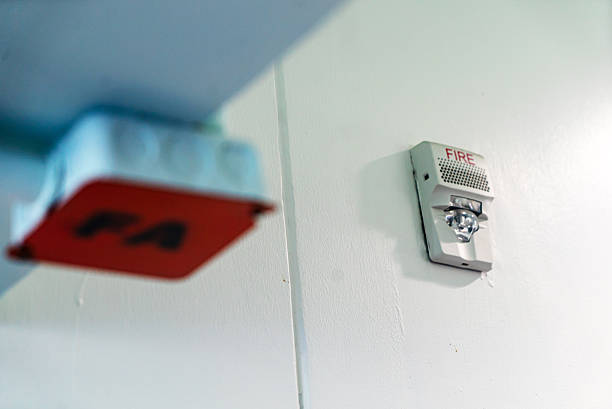
In the event of an emergency, every second counts. The ability to quickly alert and guide building occupants to safety is crucial in minimizing casualties and ensuring effective evacuation. An occupant warning system plays an essential role in achieving this by providing timely warnings and instructions to individuals inside a building. These systems are designed to detect potential dangers and communicate necessary actions, ultimately helping to save lives. This article delves into how these systems operate, their components, and the advantages they offer in safeguarding human lives.
Understanding Occupant Warning Systems
Occupant warning systems are integrated solutions used in buildings to alert and instruct occupants during emergencies such as fires, natural disasters, or security threats. They encompass a range of technologies and devices designed to ensure that everyone within a facility receives accurate and timely information.
Key Components of an Occupant Warning System
- Detection Devices: These include smoke detectors, heat sensors, and other equipment that identify potential threats.
- Control Panels: The hub of the system, responsible for processing signals from detectors and activating alarms.
- Notification Appliances: Devices like alarms, sirens, and strobes that alert occupants to evacuate.
- Communication Systems: Public address systems or voice alarm systems that provide verbal instructions.
The Life-Saving Benefits
A building occupant warning system is not just a regulatory requirement but a critical component of any safety strategy. The advantages it offers are numerous, especially in hazardous situations:
- Rapid Response: Quick detection and notification lead to faster evacuation, reducing the risk of injury or loss of life.
- Effective Communication: Clear instructions help prevent panic and confusion, ensuring a smooth evacuation.
- Customization: Systems can be tailored to suit specific building layouts and occupancy types, enhancing their effectiveness.
- Integration: These systems can be integrated with other safety measures like fire suppression systems for comprehensive protection.
Implementing an Effective Warning System
For an occupant warning system to be effective, several factors must be considered during its implementation:
Assessment and Planning
Conducting a thorough risk assessment of the building is crucial. This helps in determining the specific needs of the facility and the appropriate system configuration. Factors such as the building’s size, layout, and occupancy levels must be taken into account to design a system that effectively serves its purpose.
Regular Maintenance and Testing
Ensuring that the system functions correctly during an emergency is vital. Regular maintenance and testing should be conducted to identify and address any issues. This includes checking detection devices, control panels, and ensuring that all alarms and communication systems are operational.
Training and Drills
Occupant training is a critical aspect of an effective warning system. Conducting regular evacuation drills helps familiarize occupants with the warning signals and evacuation procedures, ensuring they know how to respond appropriately in an emergency.
The Future of Occupant Warning Systems
With advancements in technology, the future of building safety looks promising. Modern systems are increasingly incorporating smart technologies and IoT capabilities, allowing for real-time monitoring and enhanced communication. These innovations promise to further enhance the efficiency and effectiveness of warning systems, offering even greater protection for building occupants.
Overall, an occupant warning system is a vital investment in building safety, offering peace of mind and life-saving capabilities. As technology continues to evolve, these systems will become even more integral to ensuring the safety and security of individuals in various environments.