
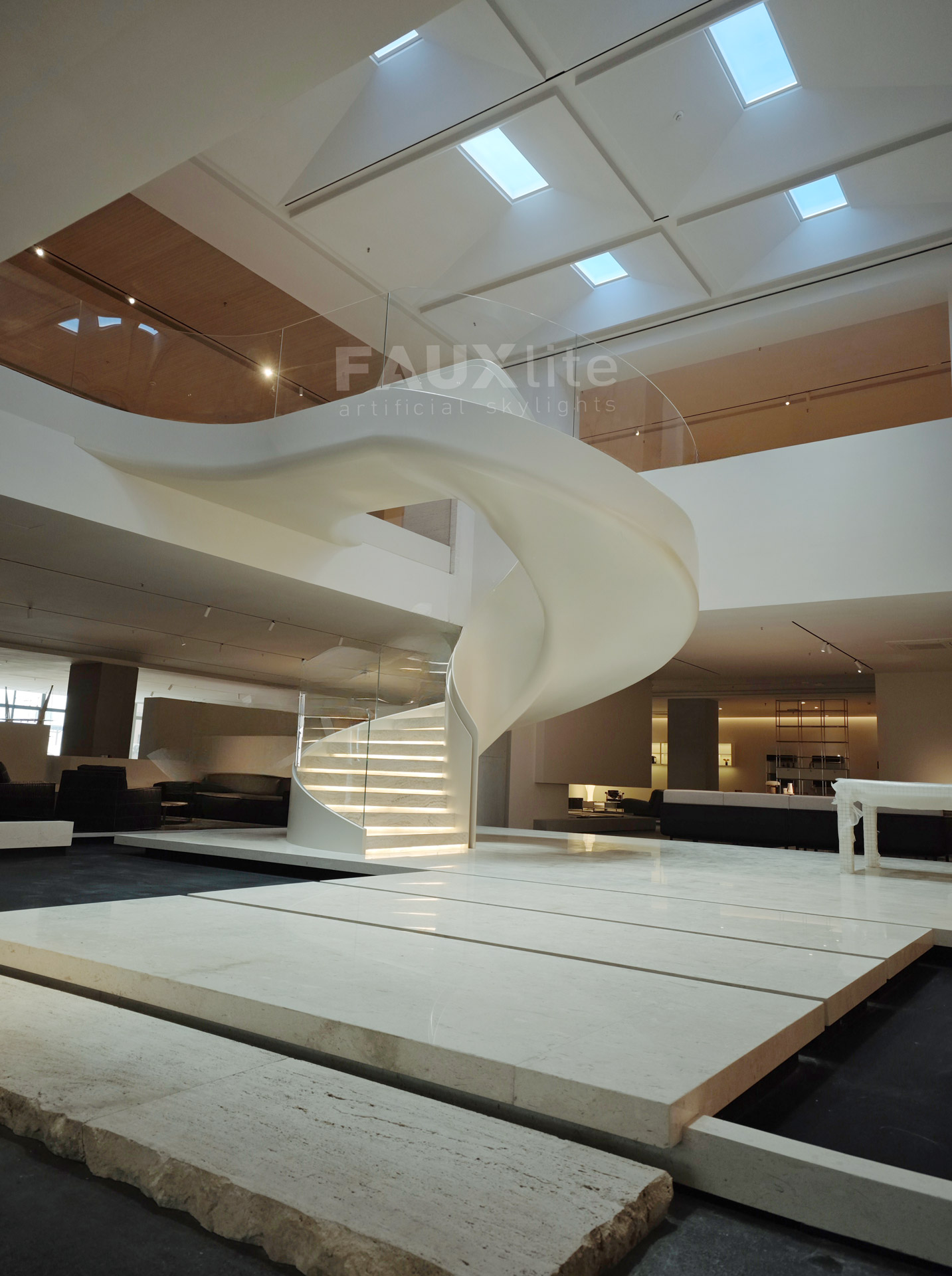
In the ever-evolving landscape of architectural design and technological innovation, skylights have remained a coveted feature in both residential and commercial spaces. They invite natural light, enhance the aesthetic appeal, and contribute to energy efficiency. Yet, with the advent of LED technology, a new contender has emerged: LED skylights. This article delves into the distinctive characteristics of traditional skylights and LED skylights, providing insights into their benefits and limitations to guide informed decision-making.
The Essence of Traditional Skylights
Traditional skylights are windows installed on the roof, allowing natural sunlight to flood into the space below. They are cherished for their ability to transform a room with natural lighting and provide a connection to the outdoors.
Advantages
- Natural Lighting: Traditional skylights harness the power of the sun, providing a natural and dynamic lighting experience that changes with the time of day and weather conditions.
- Energy Savings: By reducing the need for artificial lighting, traditional skylights can contribute to lower electricity bills, especially in spaces that require constant illumination.
- Ventilation: Some skylights are operable, allowing for natural ventilation which can improve indoor air quality and reduce cooling costs during warmer months.
Challenges
- Weather Dependency: The performance and effectiveness of traditional skylights are heavily dependent on weather conditions. Overcast days can limit the amount of light they provide.
- Heat Gain and Loss: They can contribute to unwanted heat gain in the summer and heat loss in the winter, impacting energy efficiency.
- Installation and Maintenance: Roof installation can be complex, requiring skilled labor and ongoing maintenance to ensure watertight seals.
The Innovative LED Skylights
LED skylights represent a groundbreaking fusion of technology and design. These systems emulate the appearance of natural skylights but utilize LED technology to provide consistent illumination without the constraints of weather or daylight availability. Discover expert strategies here.
Benefits
- Consistent Lighting: LED skylights provide a steady and reliable source of illumination, irrespective of external weather conditions.
- Energy Efficiency: LEDs are known for their low energy consumption, and when integrated into skylight systems, they can significantly reduce lighting costs.
- Controlled Environment: The lighting levels can be adjusted according to needs and preferences, offering greater control over the ambiance of a space.
Considerations
- Initial Investment: The cost of installing LED skylights can be higher than traditional options due to the advanced technology involved.
- Maintenance of Technology: While LEDs themselves are low maintenance, the technology may require occasional updates or servicing.
- Aesthetic Preferences: Some people prefer the natural unpredictability and variation of sunlight over the consistent light provided by LEDs.
Making the Right Choice
Deciding between traditional and LED skylights involves considering factors such as budget, energy efficiency goals, aesthetic preferences, and environmental conditions. For those looking to invest in a versatile and modern solution, LED skylights may offer a compelling alternative. Learn about our tailored solutions.
Key Considerations
- Location and Climate: In regions with less sunlight, LED skylights could provide a more reliable source of illumination.
- Architectural Design: The choice may also depend on the design and structural capabilities of the building.
- Environmental Impact: Consider the long-term energy savings and environmental benefits of each option. Explore advanced guides and tips.
Ultimately, the choice between traditional and LED skylights should align with the overall vision for the space, considering both immediate needs and future aspirations. For a deeper understanding of the latest advancements and practical applications, find out more about this approach.