
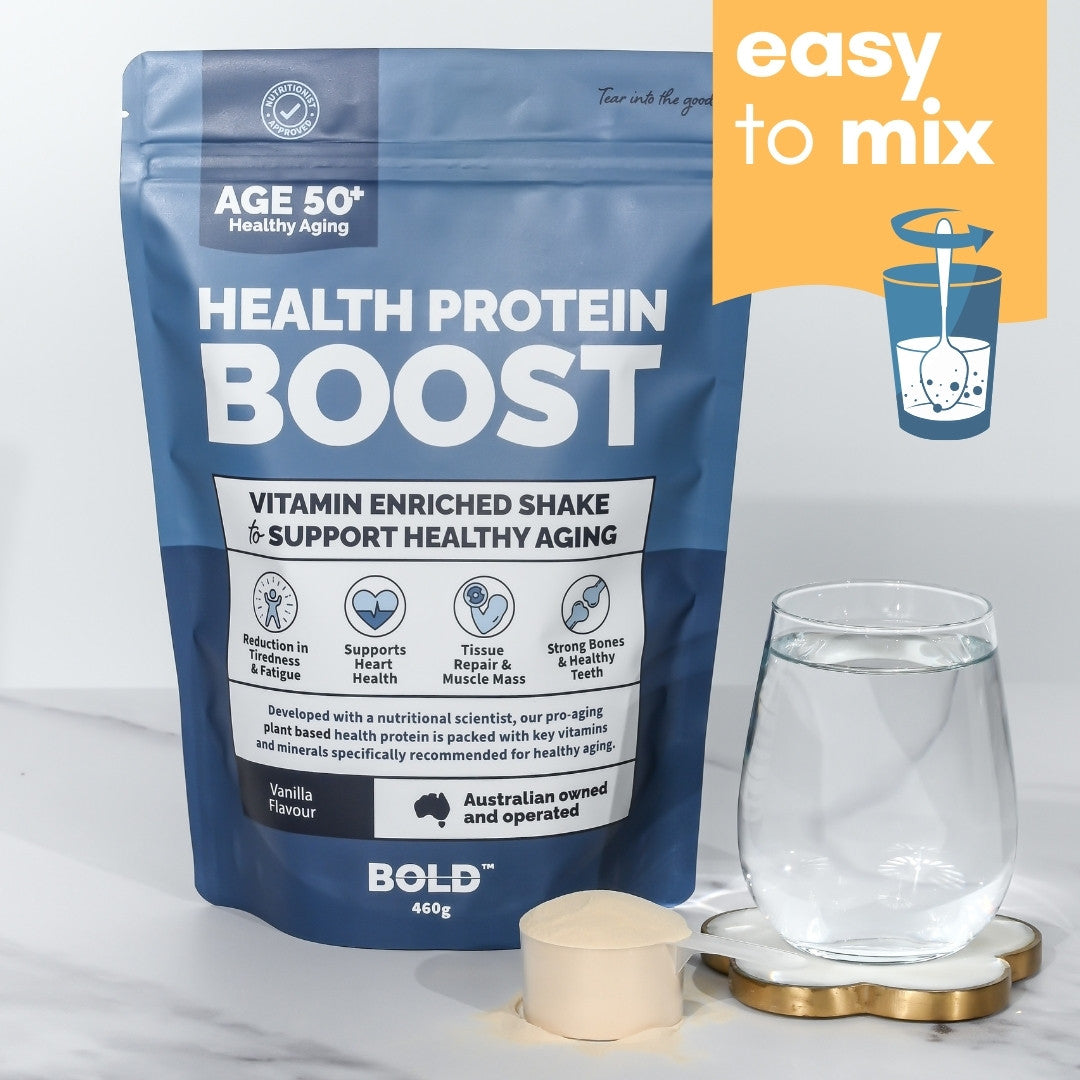
The rise of plant-based diets has been nothing short of meteoric, driven by a growing awareness of health benefits, environmental concerns, and ethical considerations. Among the various nutritional options available to support such diets, plant-based protein powder has carved out a significant niche. In Australia, this trend is particularly pronounced, with more individuals seeking alternatives to traditional animal-based protein supplements. This article delves into the benefits of plant-based protein powder, its nutritional value, and why Australians are increasingly turning to it as a staple in their dietary regimen.
The Nutritional Powerhouse of Plant-Based Protein
Plant-based protein powder is derived from various plant sources such as peas, rice, hemp, and soy. These sources are not only rich in protein but also offer additional nutrients that are beneficial for overall health.
- Rich in Essential Amino Acids: Contrary to common misconceptions, plant-based proteins can provide all nine essential amino acids needed for muscle repair and growth.
- High Fiber Content: Many plant-based proteins are high in fiber, promoting better digestion and a feeling of fullness, which can be advantageous for weight management.
- Lower in Saturated Fats: These proteins generally have lower levels of saturated fats compared to animal proteins, contributing to heart health.
- Allergy-Friendly Options: With a variety of sources, individuals can choose options that fit their dietary restrictions, such as soy-free or gluten-free.
For more detailed insights into how plant-based proteins can fit into a balanced diet, find out more about this approach.
Environmental and Ethical Considerations
Reducing Carbon Footprint
One of the significant advantages of plant-based protein powders is their reduced environmental impact compared to animal-based proteins. The production of plant-based proteins requires fewer resources and results in lower greenhouse gas emissions.
- Lower Water Usage: Cultivating plants for protein requires significantly less water than raising livestock.
- Reduced Land Use: Plant-based protein production occupies less land, preserving ecosystems and biodiversity.
For Australian consumers who are environmentally conscious, explore advanced guides and tips on integrating sustainable practices into daily life.
Ethical Consumption
Choosing plant-based protein also aligns with ethical considerations regarding animal welfare. With rising awareness of the conditions in which animals are raised for meat and dairy production, more people are choosing plant-based options that align with their ethical values.
To learn about tailored solutions that support ethical consumption, discover expert strategies here.
Health Benefits and Versatility
Plant-based protein powders are not just about nutrition; they offer versatility and potential health benefits that cater to a wide range of dietary needs and preferences.
- Supports Muscle Growth: When combined with a balanced diet and exercise, plant-based proteins can effectively support muscle growth and recovery.
- Weight Management: The fiber content in plant-based proteins helps control hunger, making it easier to manage weight.
- Versatile Usage: These proteins can be used in various recipes, from smoothies to baking, making them a versatile addition to any diet.
For those seeking practical ways to incorporate these benefits into their lifestyle, learn about our tailored solutions.
Conclusion
The shift towards plant-based protein powders in Australia reflects broader global trends towards healthier, more sustainable, and ethical consumption. With their nutritional benefits, lower environmental impact, and alignment with ethical values, plant-based protein powders offer an appealing alternative to traditional protein sources. Whether driven by health, environmental, or ethical considerations, embracing plant-based proteins is a choice that aligns with the values of a growing number of Australians. To further explore this transformative dietary choice, explore advanced guides and tips for integrating plant-based proteins into your daily routine.