
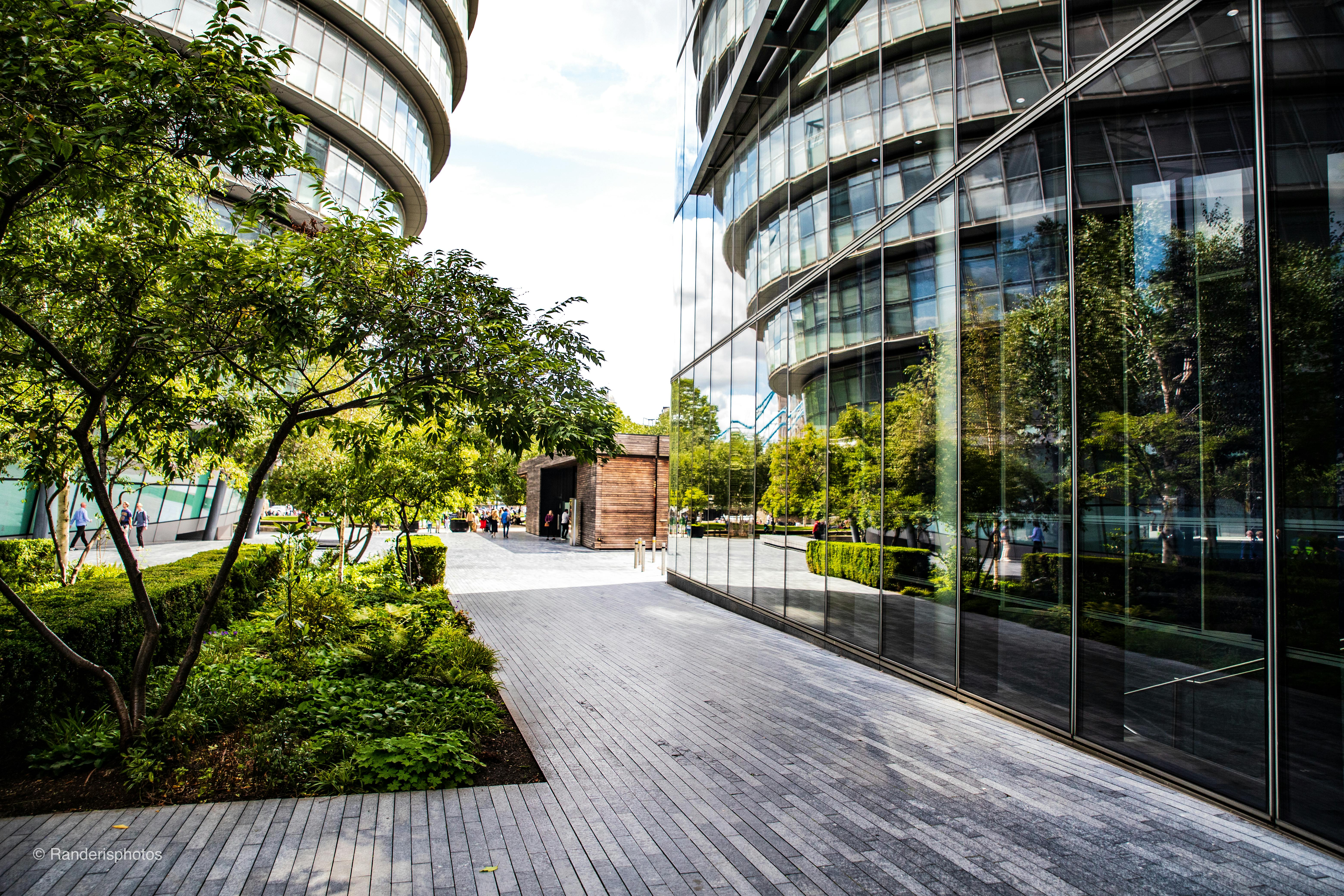
Sustainable building design is at the forefront of modern architecture as the world increasingly acknowledges the importance of reducing environmental impact. This trend is not just about minimizing carbon footprints; it also encompasses enhancing the quality of life for building occupants and ensuring long-term economic viability. As we explore the latest trends in sustainable building design, it becomes clear that innovation and technology are key drivers in this field. The following sections delve into various aspects of sustainable building design that are shaping the industry today.
Green Building Materials
One of the foundational elements of sustainable building design is the use of green materials. These materials are selected for their minimal environmental impact, both in terms of production and lifecycle. Key materials include:
- Recycled steel and aluminum, which reduce the need for raw material extraction.
- Bamboo and cork, which are rapidly renewable resources.
- Low-VOC (Volatile Organic Compound) paints and finishes that improve indoor air quality.
For more comprehensive information on the use of green materials in building design, explore advanced guides and tips on sustainable architecture.
Energy Efficiency
Energy efficiency is a cornerstone of sustainable design. Integrating technologies that reduce energy consumption is essential for sustainable building projects. Current trends include:
- High-efficiency HVAC systems that minimize energy usage.
- LED lighting, which significantly reduces energy consumption compared to traditional lighting.
- Smart building systems that optimize energy use through automation and real-time monitoring.
Implementing these strategies not only reduces operational costs but also minimizes environmental impact. Discover expert strategies here for improving energy efficiency in building design.
Water Conservation Techniques
Sustainable buildings often incorporate water conservation measures to reduce the use and wastage of water. Innovative techniques include:
- Rainwater harvesting systems that collect and store rainwater for non-potable uses.
- Greywater recycling systems that treat and reuse wastewater from baths, sinks, and laundry.
- Low-flow fixtures and appliances that significantly reduce water usage.
These techniques are crucial in regions facing water scarcity and contribute to the overall sustainability of a building. To learn more about tailored solutions for water conservation, find out more about this approach.
Biophilic Design
Biophilic design is gaining traction as a way to integrate nature into the built environment. This approach promotes the health and well-being of building occupants by incorporating natural elements. Key components include:
- Maximizing natural light to improve mood and productivity.
- Incorporating indoor plants and green walls that enhance air quality and aesthetics.
- Designing spaces with views of nature and access to outdoor areas.
Biophilic design not only supports sustainability but also enhances the user experience within a building. Learn about our tailored solutions for integrating biophilic elements into modern architecture.
Conclusion
The future of building design is inherently linked to sustainability. As these trends demonstrate, sustainable practices are not only beneficial for the environment but also for economic and social well-being. By adopting green materials, energy-efficient systems, water conservation techniques, and biophilic design, architects and builders can create spaces that are both innovative and responsible. Explore advanced guides and tips to further understand and implement these sustainable building practices.