
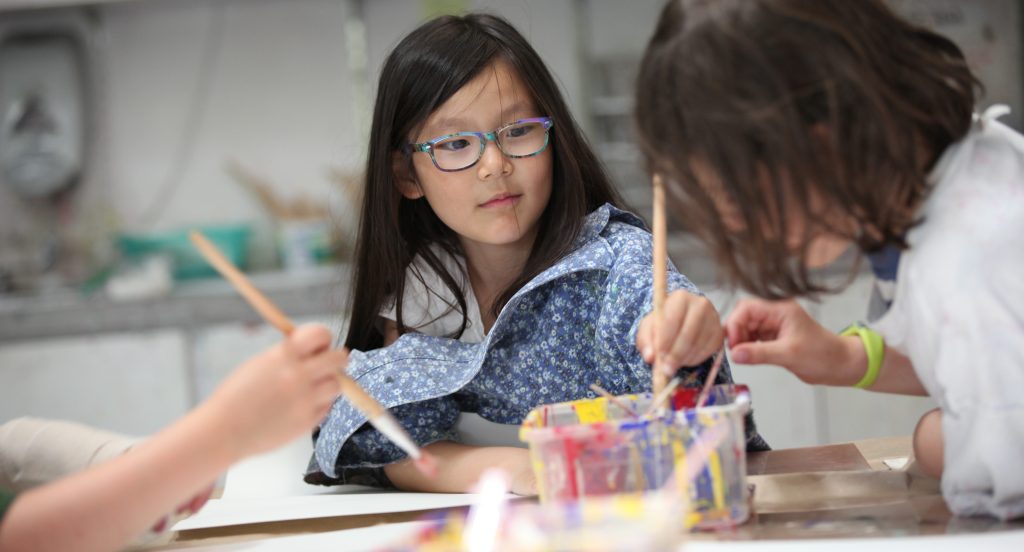
The visual arts curriculum plays a pivotal role in fostering creative expression and critical thinking among students. It encompasses a broad spectrum of activities and disciplines aimed at nurturing a student’s artistic potential and developing their ability to appreciate and interpret visual culture. Integrating visual arts into the education system not only enriches students’ learning experiences but also equips them with essential skills to navigate and contribute to the world around them.
Importance of Visual Arts in Education
Visual arts education is not just about learning how to draw or paint. It encompasses a wide range of skills and knowledge that prepare students for various challenges. Here are some key benefits:
- Cognitive Development: Engaging in visual arts helps improve memory, attention, and problem-solving skills.
- Emotional Expression: Art provides a safe outlet for expressing emotions, aiding in emotional development and resilience.
- Cultural Awareness: Students gain insights into different cultures and histories, fostering empathy and understanding.
- Critical Thinking: Art encourages questioning and exploring different perspectives, essential for critical analysis.
For those interested in the comprehensive benefits, find out more about this approach to integrating arts into the educational framework.
Components of a Robust Visual Arts Curriculum
A well-rounded visual arts curriculum is designed to engage students at multiple levels. It typically includes:
Studio Practice
Hands-on experience is crucial in visual arts education. Students should be given opportunities to work with various materials and techniques. This practice includes:
- Drawing and Painting: Fundamental skills that form the basis of visual arts.
- Sculpture: Working with three-dimensional forms to understand spatial relationships.
- Printmaking: Techniques that allow for replication and experimentation.
- Digital Media: Incorporating technology in art-making processes.
For educators aiming to implement these components effectively, learn about our tailored solutions for a diverse and enriching curriculum.
Art History and Theory
Understanding the context and theoretical underpinnings of art is essential for a deeper appreciation and critique. This includes:
- Studying Major Art Movements: From Renaissance to contemporary art, exploring how art has evolved.
- Artist Studies: Learning about influential artists and their contributions to the art world.
- Critical Theory: Introducing students to various theoretical frameworks for analyzing art.
For insights on integrating art history and theory into lessons, explore advanced guides and tips.
Strategies for Enhancing Creative Expression
To truly foster creative expression, educators must employ strategic methods that encourage exploration and innovation. Consider these approaches:
- Encouraging Experimentation: Allow students to explore and make mistakes to learn and grow.
- Interdisciplinary Projects: Integrate art with subjects like science and history for a comprehensive learning experience.
- Feedback and Reflection: Provide constructive feedback and encourage self-assessment for continuous improvement.
- Showcasing Work: Organize exhibitions and showcases to celebrate student achievements and boost confidence.
To implement these strategies effectively, discover expert strategies here.
Conclusion
In conclusion, a comprehensive visual arts curriculum is vital for nurturing creativity, cultural awareness, and critical thinking in students. By offering a balanced mix of studio practice, art history, and innovative teaching strategies, educators can empower students to explore and express their creativity fully. For those seeking to enhance their curriculum, resources and expert guidance are available to ensure an impactful and enriching educational experience.