
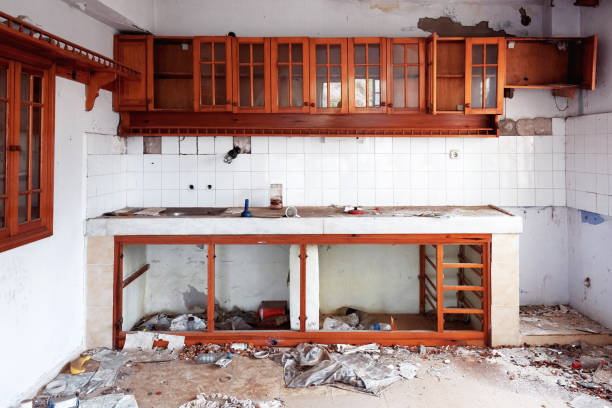
When planning a kitchen renovation, efficient demolition is a crucial first step that sets the stage for a successful remodel. Undertaking a kitchen demolition requires careful planning, appropriate tools, and a keen understanding of the process. This ensures safety, minimizes damage to reusable materials, and sets a clear path for the new kitchen design. With the right approach, kitchen demolition can be a straightforward and efficient process, paving the way for a smooth transition to the kitchen of your dreams.
Planning Your Kitchen Demolition
Before taking a sledgehammer to your kitchen, a strategic plan is essential. Consider the following steps to ensure a streamlined demolition process:
- Assess the Scope: Determine what parts of the kitchen need to be demolished. This could range from cabinets and countertops to flooring and appliances.
- Check for Hazardous Materials: Verify the presence of materials like asbestos or lead, which require professional handling.
- Obtain Necessary Permits: Depending on your local regulations, permits may be required for demolition work. Check with local authorities to avoid legal issues.
- Plan for Waste Disposal: Arrange for a dumpster or waste disposal service to manage debris effectively.
Gathering the Right Tools
Equipping yourself with the right tools is vital for efficient kitchen demolition. Consider these essential tools:
- Safety Gear: Safety goggles, gloves, and dust masks protect against debris and potential hazards.
- Hand Tools: Crowbars, hammers, and screwdrivers are useful for removing fixtures and fittings.
- Power Tools: Reciprocating saws and drills can speed up the demolition of larger structures.
Executing the Demolition
Begin with a Systematic Approach
Executing the demolition systematically ensures efficiency and safety. Start by disconnecting utilities such as electricity, gas, and water. This step is crucial for preventing accidents and should be performed before any demolition begins.
Remove Fixtures and Fittings
Begin with the removal of fixtures and fittings. Cabinets, countertops, and appliances should be carefully detached and, if possible, preserved for reuse or donation. For more detailed guidance on kitchen demolition techniques, consult resources that focus on sustainable practices.
Address Structural Elements
Once the fixtures are cleared, proceed to demolish structural elements such as walls and flooring. Use appropriate tools and techniques to avoid unnecessary damage to the surrounding structure. It is advisable to consult with professionals if structural changes are involved, as they can provide insights into load-bearing walls and support systems.
Managing Debris and Waste
Efficient management of demolition debris is essential for maintaining a clean workspace and adhering to local disposal regulations. Consider the following tips:
- Sort and Recycle: Separate materials such as metals, wood, and plastics for recycling. This not only aids in environmental conservation but may also reduce disposal costs.
- Hazardous Waste Disposal: Handle any hazardous materials, such as asbestos or lead, with care, and ensure they are disposed of according to local regulations.
Post-Demolition Considerations
After the demolition process, a thorough inspection of the work area is necessary to ensure that all debris is cleared and the space is ready for renovation. This includes checking for any hidden damages that might need addressing before proceeding with the new kitchen installation.
Efficient kitchen demolition requires careful planning, the right tools, and a systematic approach. By following expert tips and ensuring compliance with safety and environmental standards, the demolition process can be conducted smoothly, setting the foundation for a successful kitchen remodel.