
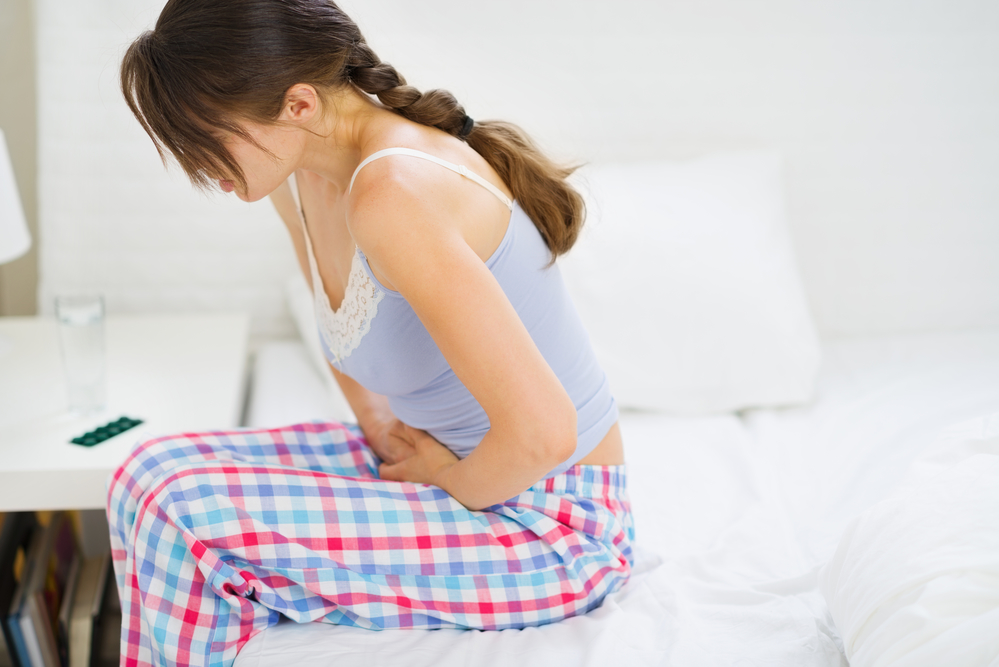
Endometriosis is a chronic condition affecting millions of women worldwide. It occurs when tissue similar to the lining inside the uterus grows outside it, leading to pain and potential fertility issues. Despite its prevalence, diagnosing and treating endometriosis can be challenging due to the complexity of its symptoms and the fact that they often overlap with other conditions. It’s crucial for those affected to understand the available treatments as they navigate this condition.
Understanding Endometriosis Treatments
There is no one-size-fits-all solution for endometriosis, as each case is unique. Treatment plans are typically tailored to the individual’s symptoms, the severity of the disease, and future fertility goals. Understanding the different endometriosis treatments can empower patients to make informed decisions.
Medical Treatments
Medical treatments are often the first line of defense for managing endometriosis symptoms. These treatments usually aim to control pain and slow the growth of endometrial tissue.
- Hormonal Therapy: This approach can reduce or eliminate menstruation, which is often a trigger for endometriosis pain. Options include birth control pills, progestins, and gonadotropin-releasing hormone (GnRH) agonists.
- Pain Relief: Nonsteroidal anti-inflammatory drugs (NSAIDs) like ibuprofen can be effective for pain management.
- Aromatase Inhibitors: These drugs reduce estrogen levels in the body, which can decrease endometriosis-related pain and slow disease progression.
Surgical Treatments
For some, surgery may be necessary to remove endometrial tissue and alleviate symptoms. Surgical intervention is often considered when medical treatments fail to provide relief.
- Laparoscopy: A minimally invasive procedure that allows surgeons to view and remove endometrial tissue. It is the most common surgical treatment for endometriosis.
- Hysterectomy: In severe cases, removing the uterus (and sometimes the ovaries) may be considered, especially if the patient is not planning to have children.
Alternative and Complementary Therapies
Alongside medical and surgical options, some patients find relief through alternative and complementary therapies. While the scientific evidence supporting these treatments varies, many individuals report significant improvements in their symptoms.
- Acupuncture: This ancient practice can help reduce pain and improve overall well-being.
- Nutritional Therapy: Dietary changes may help manage symptoms. Some women benefit from reducing their intake of inflammatory foods and increasing anti-inflammatory foods.
- Physical Therapy: Specialized physical therapy techniques can help alleviate pelvic pain associated with endometriosis.
Choosing the Right Treatment
Selecting the most appropriate treatment involves a thorough discussion with a healthcare provider, considering factors like symptom severity, age, and reproductive goals. Comprehensive information and guidance can be found at reputable sources that specialize in endometriosis treatments.
Conclusion
Endometriosis is a complex condition with a wide range of symptoms and impacts. While there is no cure, effective management is possible through a combination of medical, surgical, and complementary therapies. Patients are encouraged to explore their options, engage in open discussions with their healthcare providers, and make informed decisions that align with their personal health goals. Staying informed and proactive is key to managing endometriosis effectively.